

When it comes to DIY skincare, baking soda often pops up in beauty rituals-promising to smooth, brighten, and detoxify. But beneath that gritty texture lies a harsh truth: baking soda can seriously disrupt your skin’s natural barrier, leaving it dry, irritated, and vulnerable, unlike these fruit inspired routines listed below.
Long before modern exfoliants, beauty icons like Cleopatra soaked in lactic-acid-rich milk baths, while Empress Wu Zetain turned to fermented fruit and rice wine to keep her skin luminous. These weren’t harsh treatments-they were rituals rooted in nature. Today we can return to that gentler wisdom. Products like FarmHouse Fresh’s Illumination Fruit™ Professional Strength Peel results with gentle fruit acids, echoing ancient beauty traditions while supporting something truly modern-ethical skincare that helps rescue animals.
Let’s explore why fruit acids are a skin-loving alternative, and why baking soda simply can’t compare.
This post may contain affiliate links and professional skincare commentary. For full details, please read my disclaimer.
The Problem with Baking Soda in Skincare
Why It Seems Like a Good Idea… But Isn’t
For years, DIY beauty enthusiasts have turned to baking soda as a quick fix for pigmentation and sun damage, lured by its reputation as a gentle exfoliant and natural solution. The idea likely came from its mild abrasive properties—scrubbing away dead skin cells—and the fact that it’s easy to find in every kitchen. Social media and beauty forums have only fueled the trend, with countless anecdotes claiming it brightens the skin or diminishes dark spots.
But in reality, dermatologists warn that baking soda is far too alkaline for healthy skin. It disrupts your natural pH, strips away protective oils, and can leave your skin red, irritated, or even burned. While the concept seems harmless, it actually does more harm than good. For gentle, effective results, fruit-based acids and professional chemical peels are a safer, science-backed way to brighten your complexion and address sun damage.
Baking soda may look innocent in your kitchen cabinet, but when applied to your skin, it can cause:
- Disruption of your acid mantle, the protective barrier that keeps moisture in and bacteria out
- A harsh alkaline pH (~9), far too high for healthy skin (which thrives between pH 4.5–5.5)
- Microtears and irritation, especially when used as a scrub
The result? Dryness, breakouts, inflammation, and long-term barrier damage. It may feel like your skin is “clean” or “tight,” but that’s often the sign of a skin barrier crying for help.
-

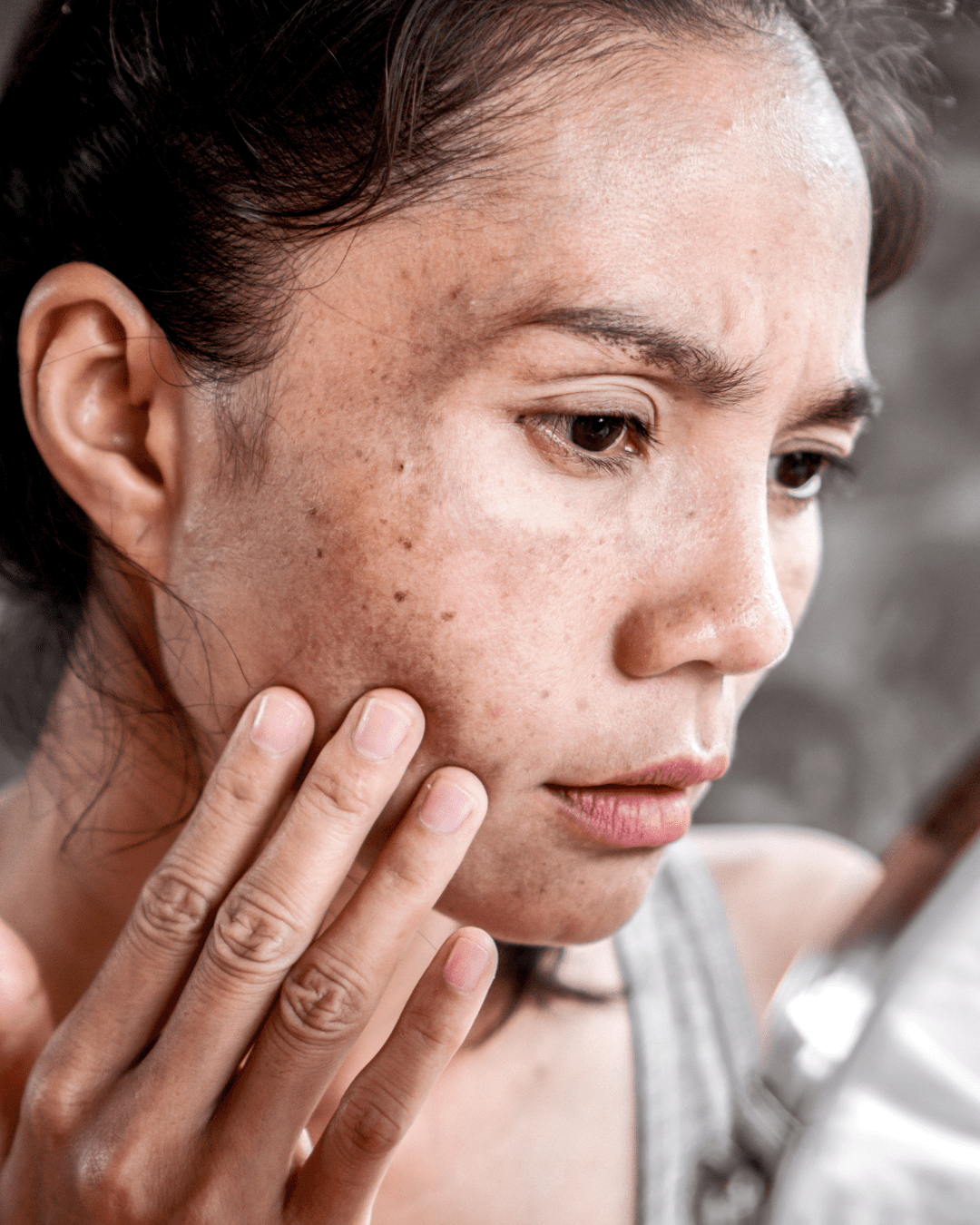
- Sun Damage on face
-
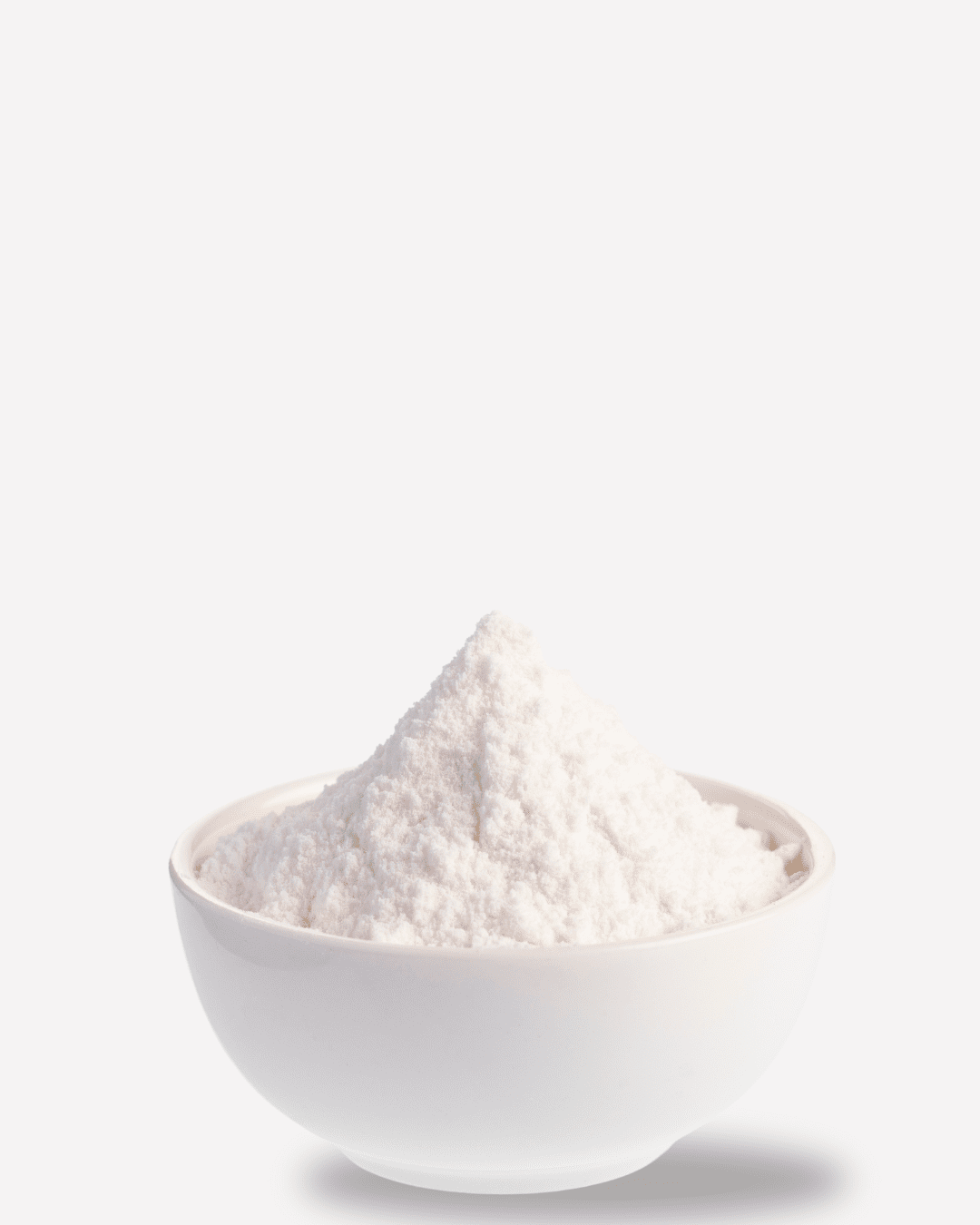
- baking soda
-
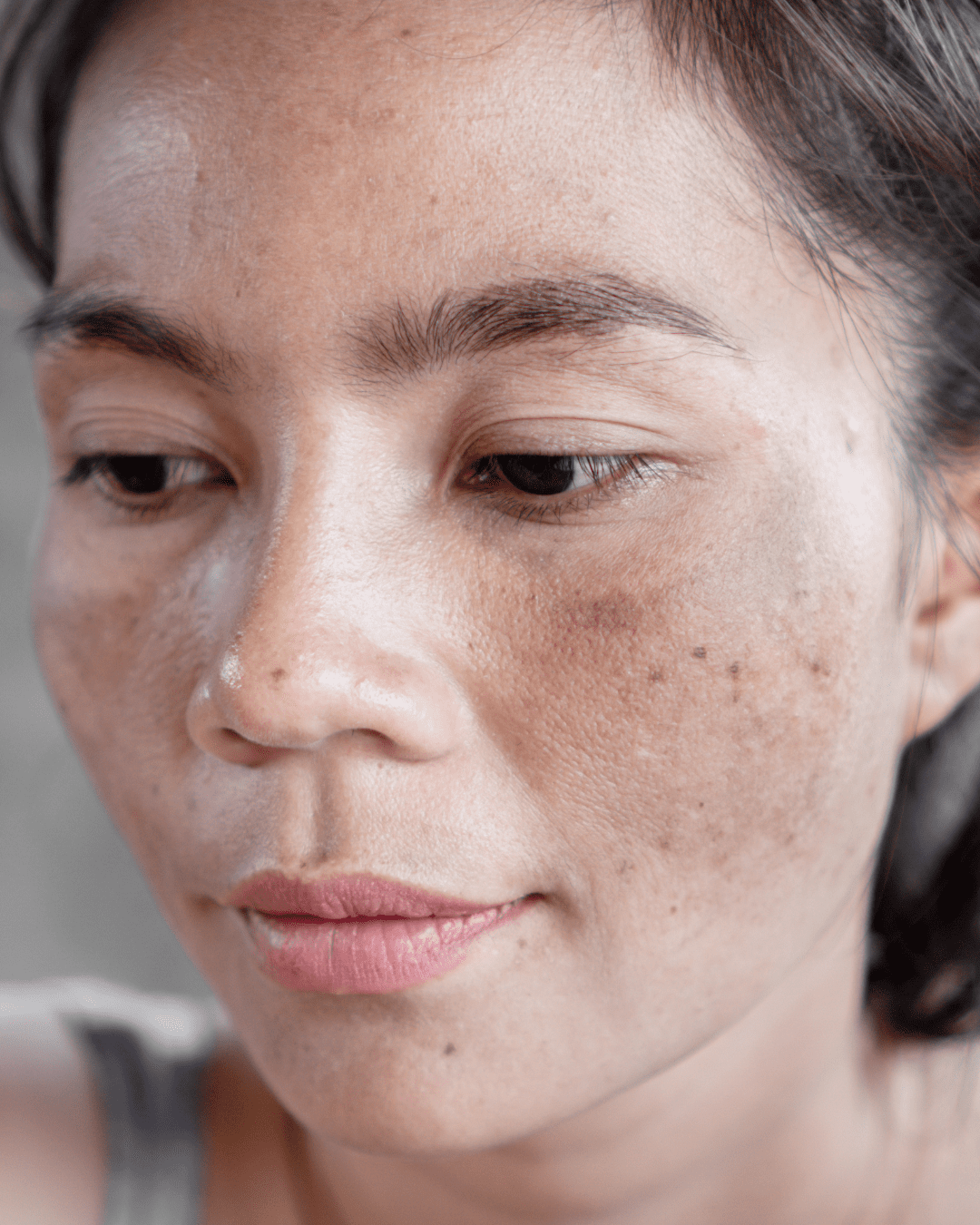
- Sun Damage on cheeks
Why Fruit Acids are the Better Choice
AHAs: Nature’s Gentle Resurfacers
Fruit acids—specifically alpha hydroxy acids (AHAs) like glycolic, lactic, malic, and citric acid—offer a gentle, chemical exfoliation that dissolves dead skin cells rather than scraping them away.
Benefits of using fruit acids:
- Promotes cell turnover without harsh scrubbing
- Brightens dull, uneven skin tone
- Helps fade dark spots and acne scars over time
- Maintains healthy pH balance of your skin
- Enhances collagen production and skin texture
While modern skincare bottles these acids into serums and peels, the love affair between fruit and beauty began long before the lab. Across centuries and cultures, these natural exfoliants were revered not just for their results-but for the ritual. Let’s take a step back in time and see how historical figures like Cleopatra and Empress Wu Zetian embraced these fruit-based elixirs to soften, brighten, and honor their skin.
A Timeless Elixir: The History of Fruit in Beauty Rituals
Ancient Civilizations & Their Fruit Secrets
Fruit has long been part of sacred beauty rituals across cultures:
- Egyptians used milk (lactic acid) and citrus to soften and brighten skin
- Greeks and Romans bathed in fruit-infused oils and lemon juice to enhance glow
- Chinese empresses used fruit vinegars and rice wine for a luminous complexion
- In Ayurveda, fruit and herb-based ubtans were mixed for purification and radiance
More Than Milk: The Ingredients in Cleopatra’s Fruit Baths
It’s true Cleopatra is said to have bathed in sour donkey’s milk, which contains lactic acid—a naturally exfoliating alpha hydroxy acid (AHA) that helps soften and smooth the skin. But she didn’t stop there.

“Unconscious Rivals” (1893) by Sir Lawrance Alma-Tadema, public domain
Historical and herbal records suggest her beauty blends may have also included:
- Fresh citrus juice (lemon or orange), which adds natural citric acid to enhance skin brightness
- Crushed strawberries or grapes, sources of malic and tartaric acid that lightly exfoliate
- Neroli oil, derived from bitter orange blossoms, known for its uplifting scent and skin-revitalizing properties
- Rose oil and rose water, sacred in Egyptian beauty rituals for their hydrating and anti-inflammatory effects
- Dead Sea salts for detoxification and softening
- Honey, used to cleanse, hydrate, and promote healing
Empress Wu Zetian & Her Fruit Skincare Routine

Empress Wu Zetian (624–705 CE), the only female emperor in Chinese history. Tang Dynasty portrait, artist unknown. Public Domain.
While Cleopatra ruled the Nile with milk and roses, Empress Wu Zetian reigned over the Tang Dynasty with wisdom—and her own fermented beauty secrets.
Celebrated not only as a formidable empress but also for her youthful appearance well into later life, Wu Zetian embraced rituals rooted in Traditional Chinese Medicine (TCM). Her skincare practices highlighted fruit vinegar and fermented rice wine, both known today for their naturally occurring alpha hydroxy acids (AHAs), including acetic and lactic acids.
Historical and herbal texts note that her beauty regimen may have included:
- Plum or apple-based fruit vinegars to gently exfoliate and clarify the skin
- Fermented rice wine (mijiu) to boost glow, improve elasticity, and soften fine lines
- Cooling masks made from lotus root or mung bean powder, used to soothe and clear
- Pearl powder, a luxurious staple for brightening and calming the complexion
- Jade facial massage tools to promote lymphatic drainage and energy flow
Rather than harsh or abrasive ingredients, these time-honored remedies worked with the skin—supporting its natural renewal processes while honoring internal balance. I want to add that Wu was a woman that made some not-so-great choices during her 15 years of reign. In this post I am just focusing on the skincare used in this time period and I am by no means glorifying her or her actions. I think it goes without saying, women did not have many opportunities to have power of any kind during the Tang Dynasty. She did what she thought had to be done. We can dive deeper into more details of her life on a different blog post.
Fruit Acids Meet Modern Alchemy
Today, science validates what ancient beauty wisdom has known all along:
- AHAs resurface skin gently but effectively
- They address pigmentation, texture, and tone without the trauma of scrubbing
- Formulated professionally, they offer powerful results without irritation
Which brings us to the beautiful synergy of tradition and science:
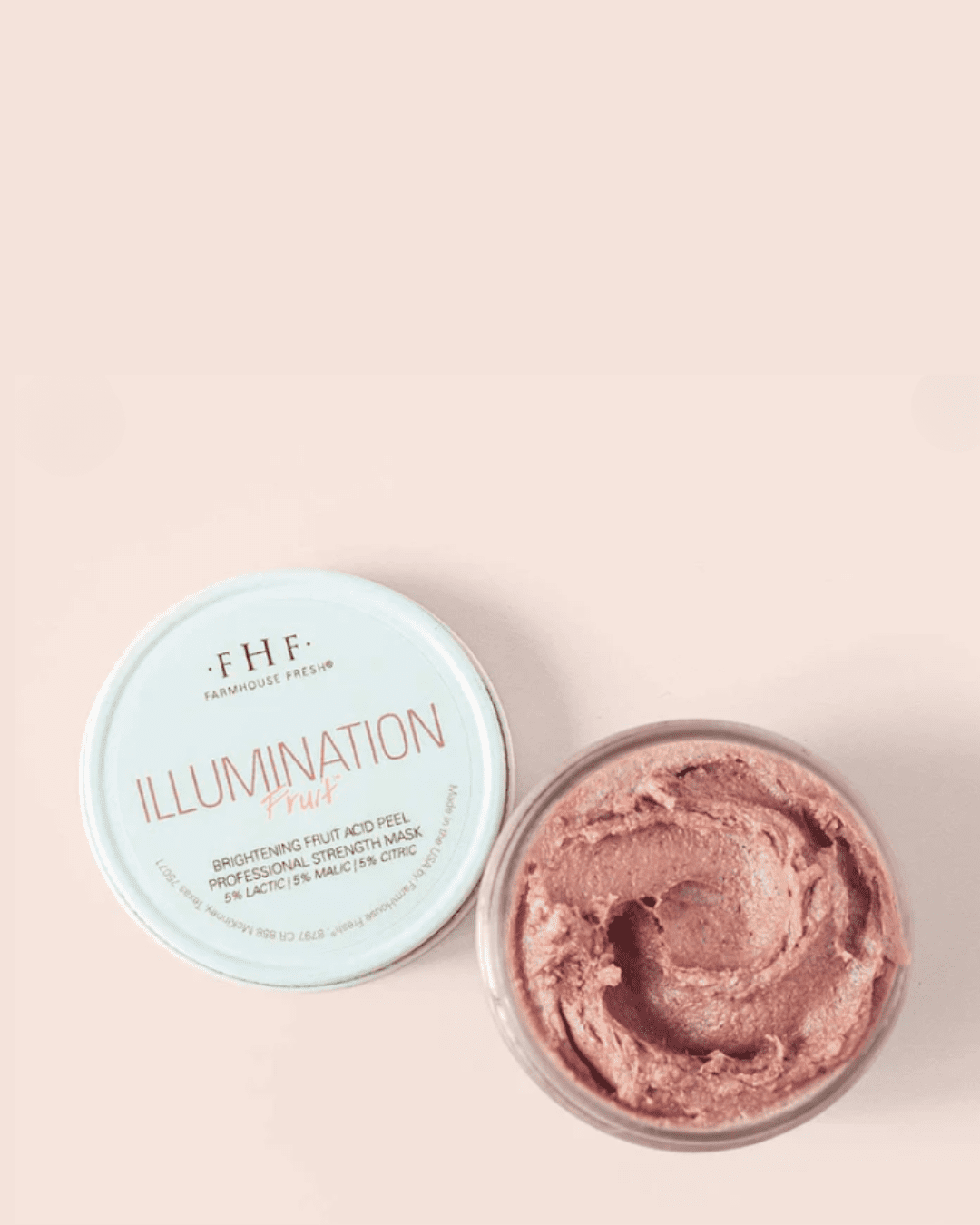
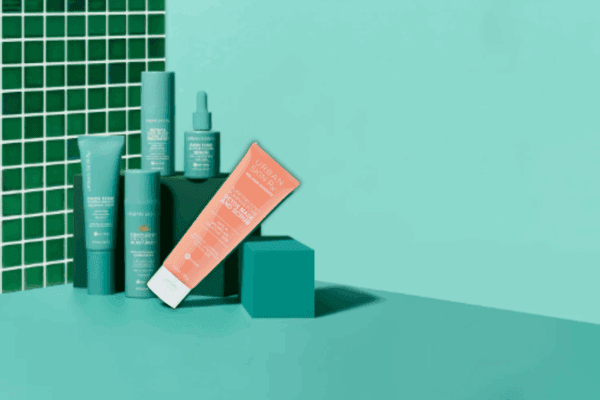
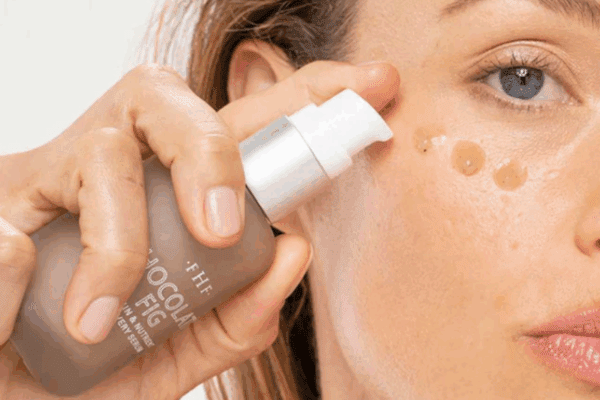
FarmHouse Fresh’s Illumination Fruit™ Professional Strength Peel.
Meet FarmHouse Fresh: Glow, Grounded in Compassion
About the Product: Illumination Fruit™ Professional Strength Peel
What it is:
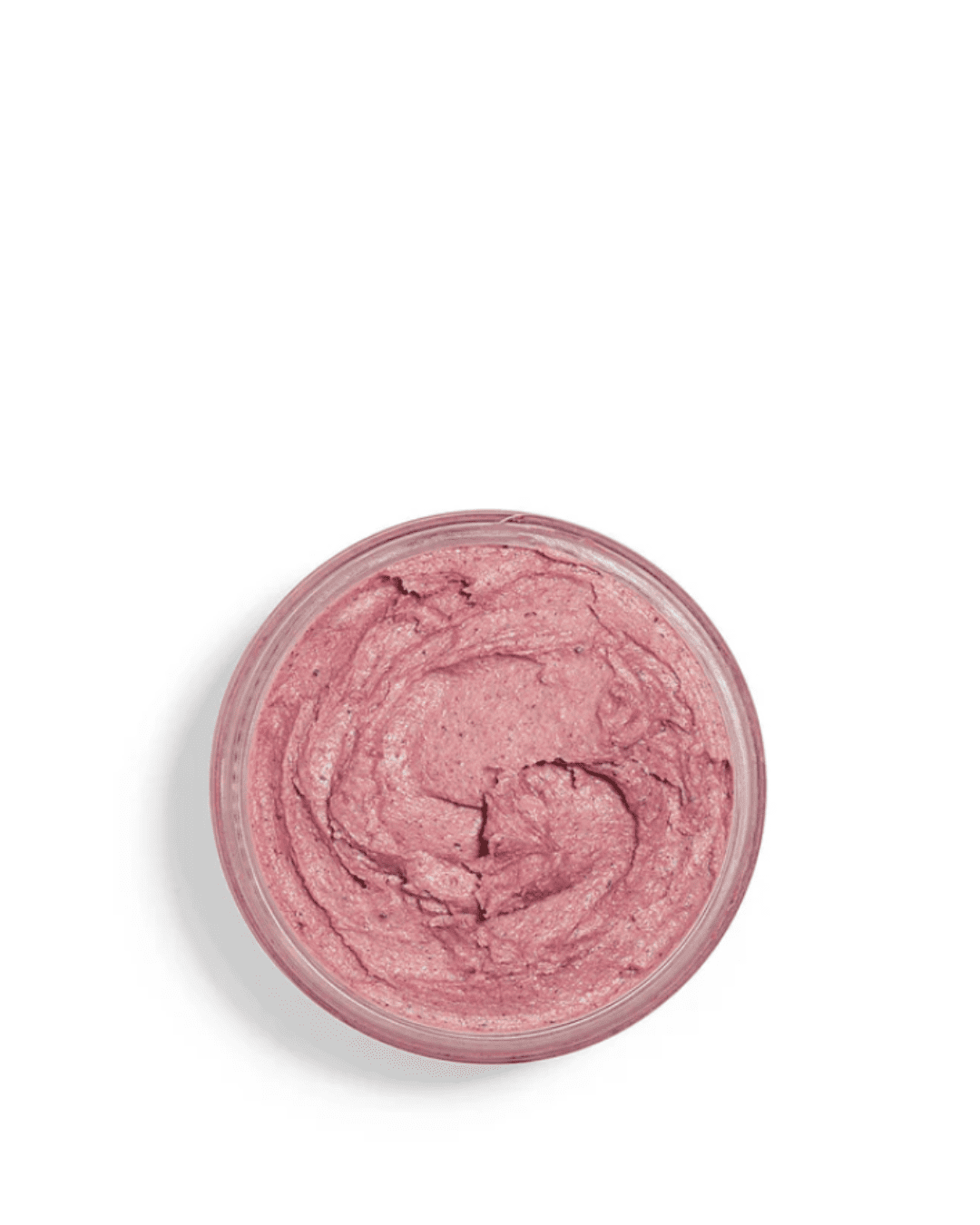
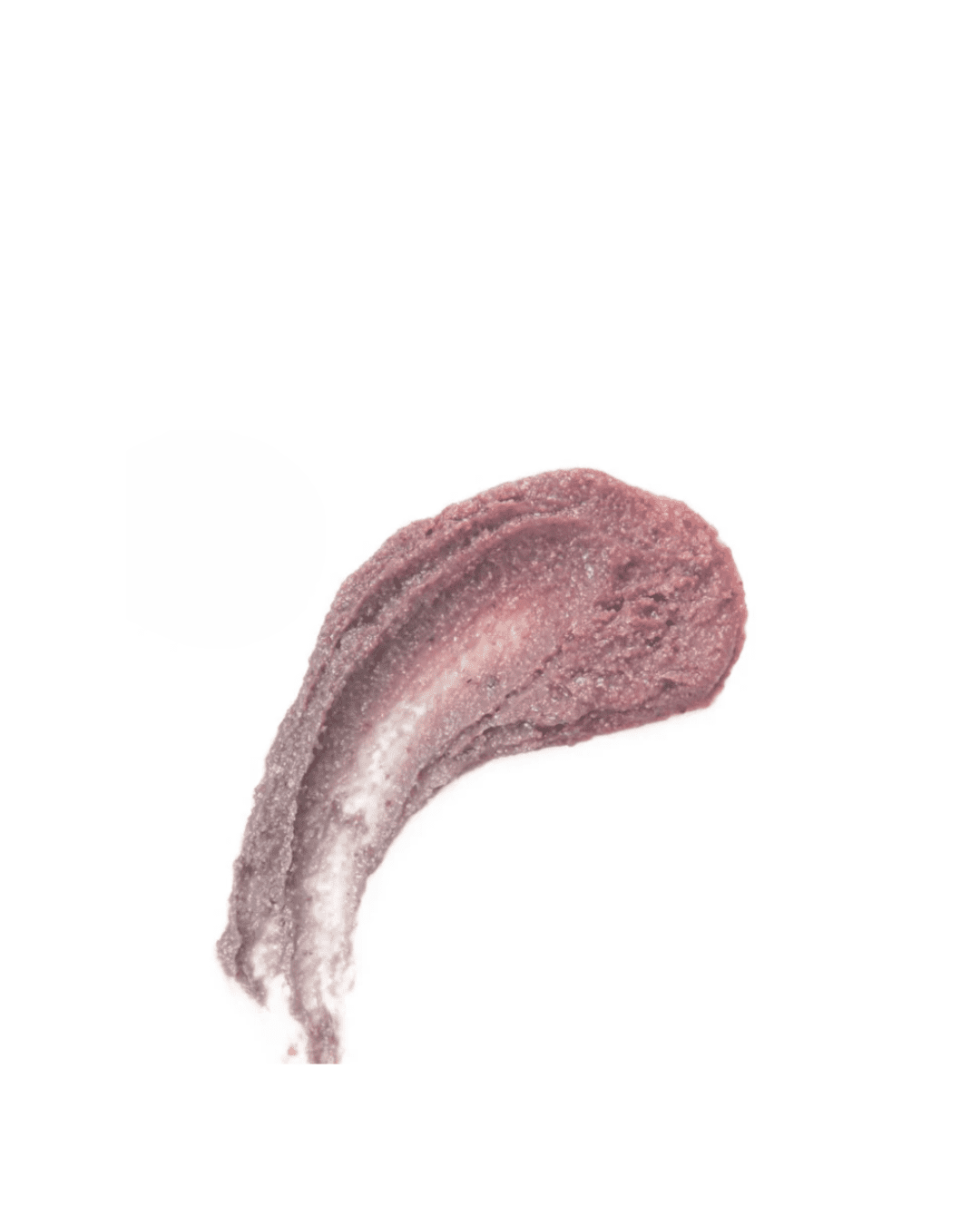
If you’ve never used a professional acid peel before, you’re in for a treat. This professional-strength fruit acid peel mask is a 15% blend of acids, plus naturally occurring fruit acids from papaya, organic U.S. grown blackberry and aronia fruits, and U.S. grown fermented lemon and pomegranate actives that amp-up brightening.
What it does:
The results come in tone, texture and smoothness that are great for anti-aging and post acne scars. This mask is not for sensitive skin, but if you can find a good night to stay in and be red for a little bit, you’ll be glad you did. I would recommend using a soothing moisturizer after you are finished with the peel or a calming mask. Aloe vera, lavender, chamomile, or anything calming with goat’s milk would be great too.
-
- images belong to farmhouse fresh
Key Ingredients
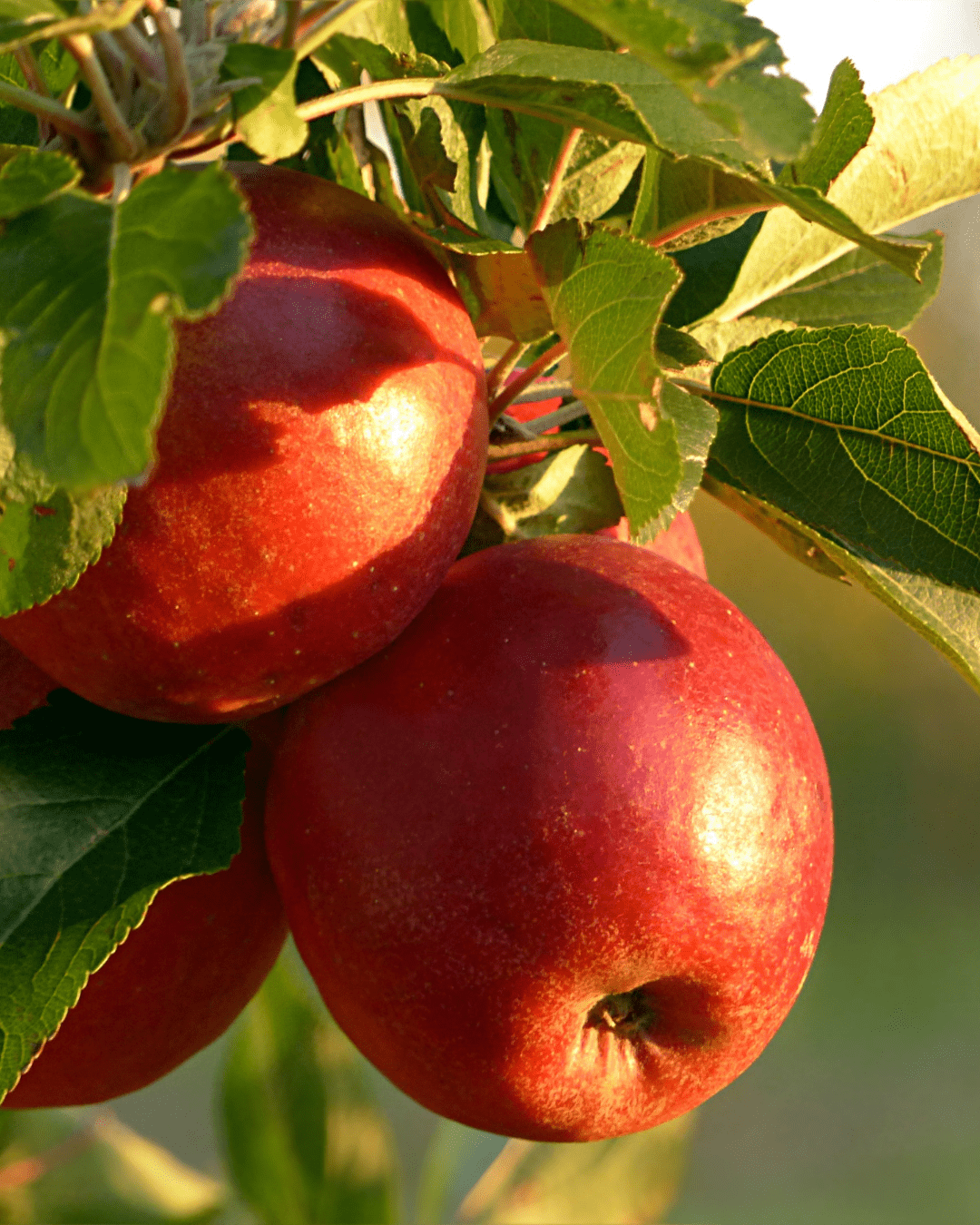
Apple
There’s a fascinating study out of Aomori University that digs into this. Researchers found that apple pomace extract (APE)—the byproduct left after juicing apples—can significantly boost skin health. It does so by stimulating fibroblast growth, which are the skin cells responsible for collagen production. APE also increases type I collagen and hyaluronic acid levels, both of which are key for skin firmness and hydration. In addition, it upregulates enzymes like HAS1, HAS2, and HAS3 that synthesize hyaluronic acid, while downregulating HYAL1, the enzyme that breaks it down. Finally, it activates ERK and AKT signaling pathways, which support cell survival and regeneration.
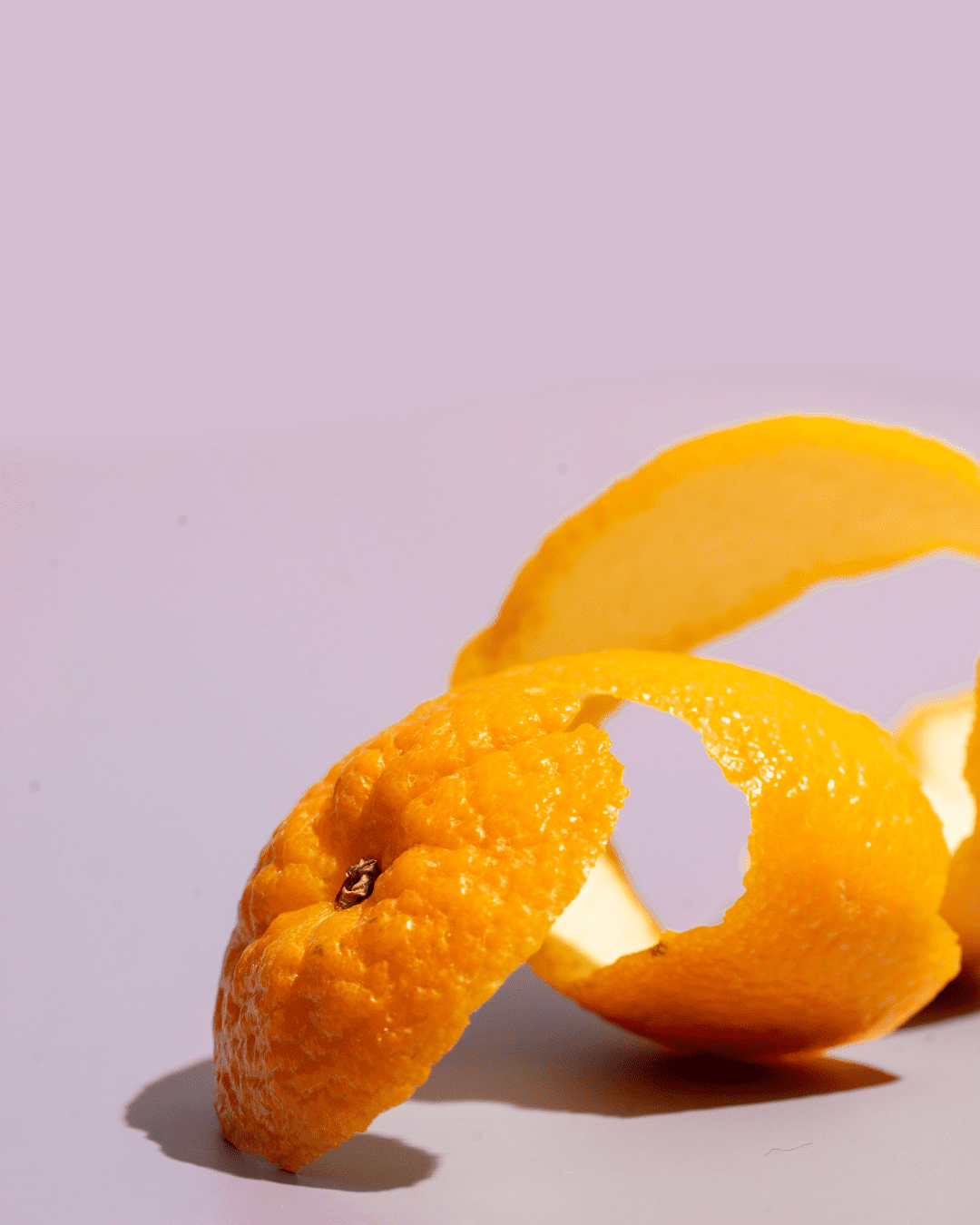
Citrus
There’s a 2023 review from the Journal of Food Chemistry & Nanotechnology that dives deep into the skin benefits of orange peel, and it’s packed with science-backed goodness. Flavonoids, limonoids, and carotenoids in orange peel act as powerful antioxidants and anti-inflammatories, shielding skin from UV damage and pollution. It’s also rich in vitamin C, which supports collagen synthesis and helps maintain skin elasticity and firmness. The peel’s antimicrobial properties make it useful for acne-prone skin, while its ability to inhibit tyrosinase—the enzyme responsible for melanin production—means it can lighten hyperpigmentation and even out skin tone.
Sugar Cane
There’s a 2020 study published in Cosmetics that explores the skin benefits of a polyphenol-rich sugar cane concentrate called Officinol™. Researchers found that Officinol™ is an antioxidant powerhouse, loaded with polyphenols that neutralize free radicals and help prevent premature aging and oxidative stress. It also protects collagen by inhibiting MMP-1, an enzyme that breaks down collagen, thereby preserving skin firmness and elasticity. Beyond that, the extract reduces tyrosinase activity and melanin production, which can fade dark spots and brighten skin tone. It supports elasticity by inhibiting elastase, the enzyme that degrades elastin, helping maintain skin’s bounce and resilience. Remarkably, Officinol™ also activated telomerase, a biomarker linked to slower cellular aging, suggesting benefits for long-term skin vitality.
-
- Apple
-
- Orange peel
-
- Sugar Cane

Lactic Acid
A 2024 article from Cosmotality breaks down six evidence-based skin benefits of lactic acid, and it’s a goldmine for skincare lovers. Lactic acid isn’t just exfoliating — it’s also a humectant, drawing moisture into the skin and supporting a plump, dewy look. It provides gentle exfoliation by dissolving the bonds between dead skin cells, revealing smoother texture and improving radiance without the harshness of scrubs.
By inhibiting melanogenesis, lactic acid delivers a brightening effect, helping fade dark spots and even out skin tone. It also strengthens the skin’s natural defenses, making it ideal for sensitive or compromised skin. As an anti-aging ally, lactic acid boosts collagen production and reduces the appearance of fine lines and wrinkles. Some studies even suggest it may act as a mild soft tissue filler, improving skin firmness over time.
Cucumber Extract
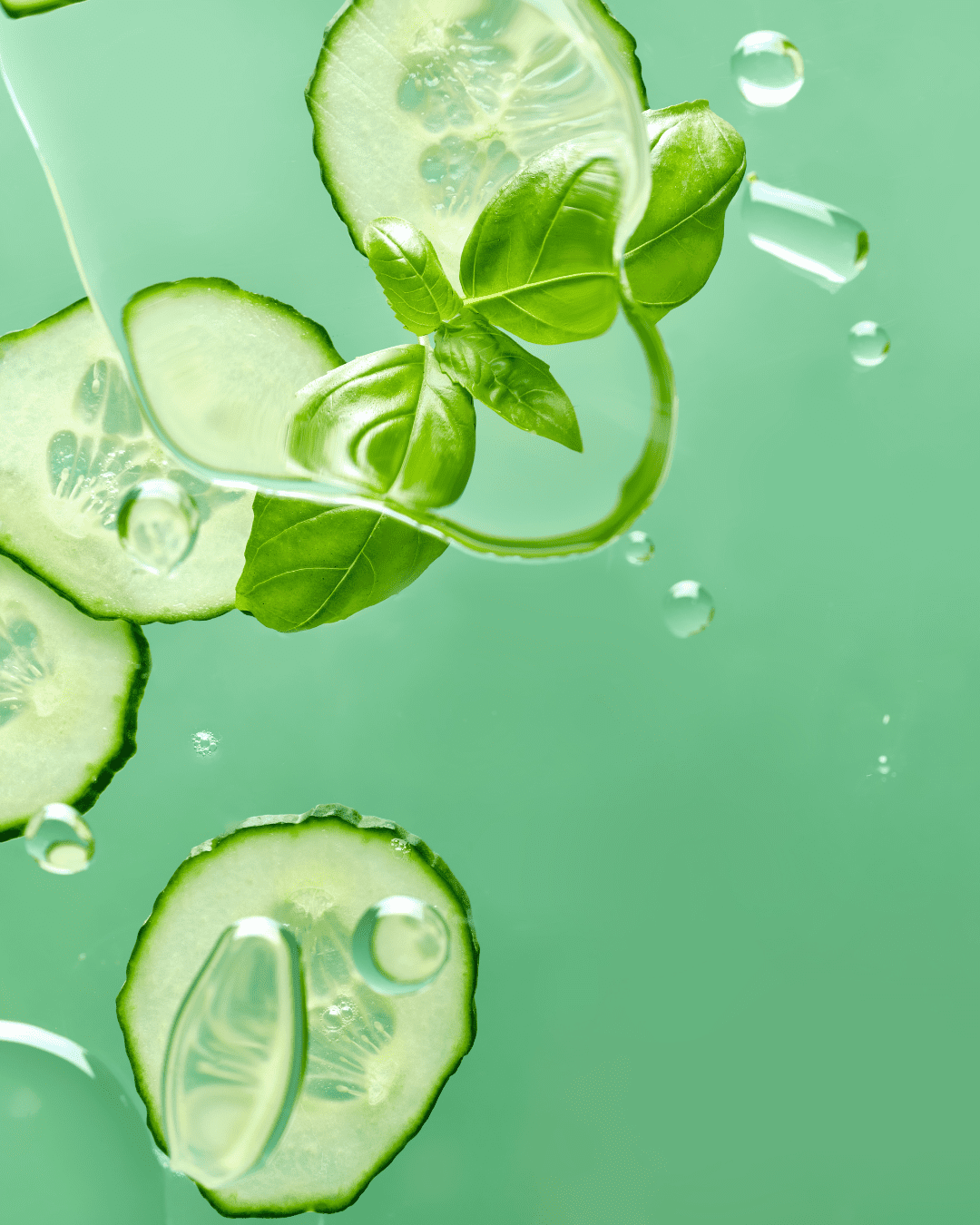
A 2011 study published in the African Journal of Biotechnology explored a 3% cucumber extract cream and found it had anti-sebum, moisturizing, and skin-brightening effects. Over a 4-week period, it reduced melanin levels and erythema (redness), while improving hydration and sebum balance. Another deep dive from Cosmotality highlights cucumber’s ability to reduce pigmentation and redness by inhibiting melanin and calming inflammation. It combats enzymes like elastase and hyaluronidase that break down skin structure, while delivering gentle exfoliation thanks to its natural AHAs, including lactic acid. Cucumber also provides antioxidant protection for youthful, resilient skin and enhances penetration and UV defense when paired with copper oxide nanoparticles.
Willow Bark
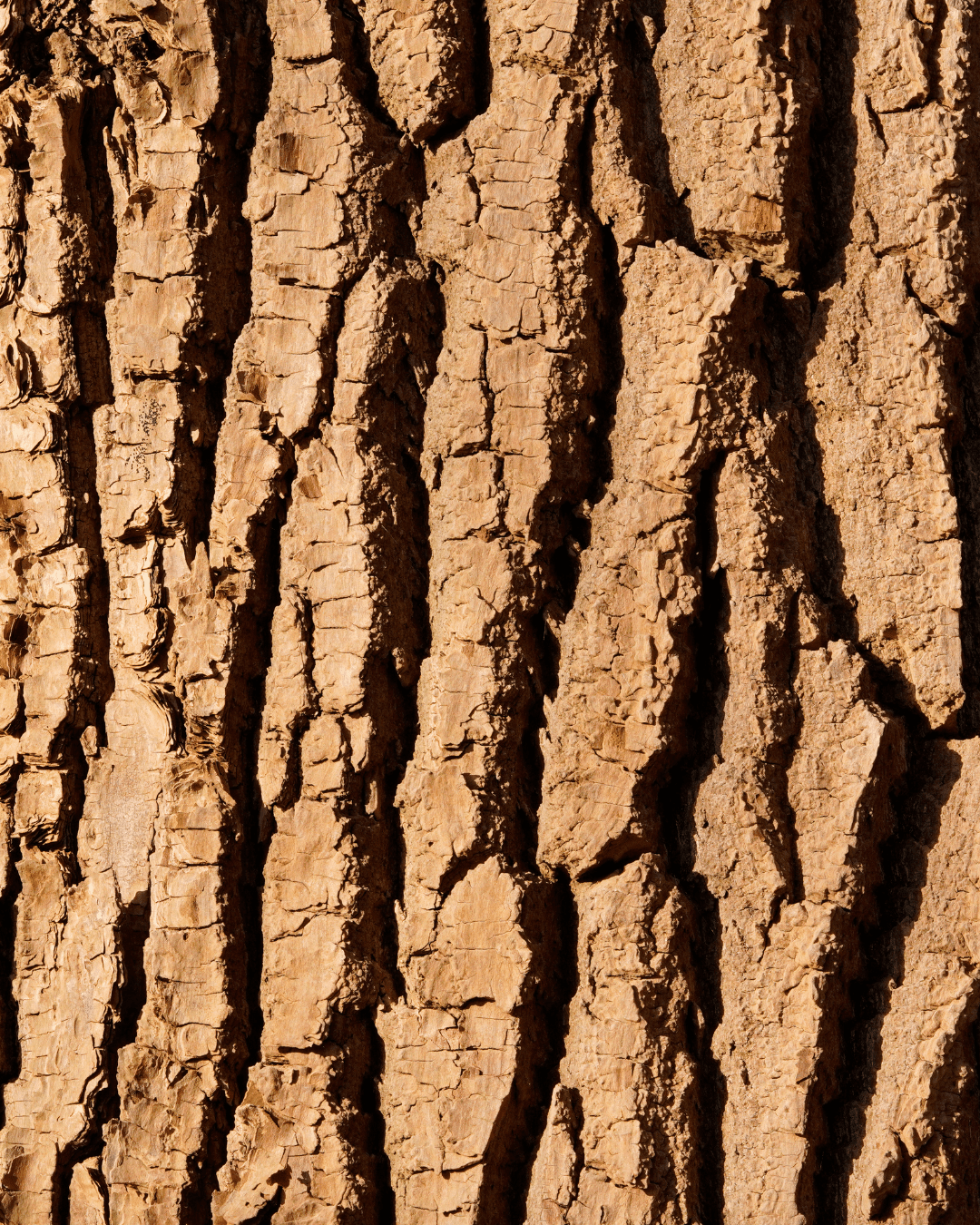
A 2023 article from Cosmotality outlines six evidence-based benefits of black willow bark extract, highlighting its active compound salicin, a natural precursor to salicylic acid. Willow bark offers gentle exfoliation, helping shed dead skin cells and unclog pores without the irritation often caused by synthetic BHAs. Its anti-inflammatory action calms redness and soothes acne-prone or sensitive skin.
Rich in flavonoids and phenolic acids, it provides antioxidant protection, shielding skin from oxidative stress and environmental damage. Willow bark also supports anti-aging by reducing the appearance of fine lines and wrinkles through promoting cell turnover and collagen integrity. Its astringent properties regulate sebum, balancing oil production and refining pores. Finally, its antimicrobial effects help keep acne-causing bacteria in check, making it a natural ally for clearer skin.
-
- Lactic Acid
-
- Cucumber Extract
-
- Willow Bark
It’s a clean ritual—free from synthetic fragrances, parabens, and harsh chemicals.
If you would like to purchase FarmHouse Fresh’s Illumination Fruit™ Professional Strength Peel, you can buy it at FarmHouse Fresh.
How to Use Fruit Acids Safely
Even nature’s most powerful gifts deserve mindful use. Here’s how to incorporate fruit acids like a pro:
Guidelines:
- Use 1–2x per week in the evening
- Follow up with a hydrating serum and moisturizer
- Avoid other exfoliants or retinoids the same night
- Always wear sunscreen the next day
- Patch test if you’re sensitive or acne-prone
Think of this as a renewal ritual—not a quick fix, but a commitment to graceful, lasting glow.
FarmHouse Fresh Animal Rescue: Beauty Beyond the Mirror
Every product FarmHouse Fresh sells helps fund their Texas-based animal sanctuary, where abused, neglected, and abandoned farm animals are brought in for long-term sanctuary. Their team works with local sheriffs and rescue partners to save horses, donkeys, goats, pigs, and other farm animals from cruelty situations, offering everything from emergency veterinary treatment to daily enrichment, grooming, and safe pasture space. Many animals remain on the farm for life, while others are carefully placed into loving forever homes. Through every skincare purchase, FarmHouse Fresh turns beauty into meaningful rescue work, making their brand a rare blend of luxury, compassion, and real-world change.
“We grow fresh skincare. You help rescue animals.”

Farmhouse fresh rescue giving their animals vaccines for a healthy herd. (image belongs to Farmhouse fresh)
Your Skin Deserves Better
Skincare should never feel like a punishment. Whether it’s the timeless elegance of fruit acids, the thoughtful innovation behind FarmHouse Fresh’s Illumination Fruit™ Professional Strength Peel, or the beauty rituals passed down from ancient queens and empresses, we now know that gentle exfoliation doesn’t have to come at the cost of your skin’s health. Baking soda may seem like a quick simple fix, but your skin craves more than a quick scrub-it deserves nourishment, intention, and care.
So, as you build your own beauty rituals, reach for ingredients that honor both your skin and the earth. Let every step be a moment of reconnection, and every glow a reflection of something deeper. Because the best skincare isn’t just effective-it’s ethical, soulful, and rooted in something real.
If you would like to purchase FarmHouse Fresh’s Illumination Fruit™ Professional Strength Peel, you can buy it at FarmHouse Fresh.


Adding calcium rich foods to my diet has been a game-changer for my bone health.
That’s great!
Oh wow I didn’t know the difference but thanks so much for explaining them so much detail
You’re welcome!
Very thorough post! I learned from it! I’ve always believed natural remedies is the best way to go. Too many products have harsh chemicals, and too many medications have terrible side effects. I like that you mentioned that the old remedies are not for a quick fix. They take time, and the sooner you start taking better care of yourself the better. The sooner you can prevent any serious problems or at least delay signs of aging a bit. Thankyou for this post!
You’re welcome!
Wow, thank you for breaking this down in such a clear way! I’m always looking for safe and gentle options, and I had no idea baking soda could be so harsh on the skin.
Yes! Let’s keep baking soda for cooking, not our skin. It’s too harsh.
I’ve had an awful reaction to bi-carb in natural deodorants so always tried to stay clear with of it. I had no idea it was also sometimes used in skin care too especially when it causes so many issues in deodorants for people.
When people are using it as a DIY ingredient it can definitely be dangerous. I had that same kind of reaction with Native deodorant. I’m not sure if they have baking soda in that particular brand, but I know the pain!