
Chocolate for Radiant Skin
If your soul longs for skincare that feels deliciously decadent, you’re not alone. While we’re on the topic of skin-loving decadence, let’s sink our teeth into another beauty elixir straight from nature — chocolate. Yes, chocolate. While you may associate it with guilty pleasures or Valentine’s Day, cacao has a centuries-old history of being used to beautify, heal, and rejuvenate the skin. In this post, we’ll explore how chocolate has been revered throughout history.
This post may contain affiliate links and professional skincare commentary. For full details, please read my disclaimer.
How Chocolate Works Its Skin Magic
Let’s explore its skin benefits on a scientific level:
1. Rich in Flavonoids
Cacao is packed with flavonoids. It has powerful antioxidants that help fight free radical damage. Free radicals can cause premature aging, dullness, and inflammation. The flavonoids in chocolate help neutralize these skin-damaging particles, keeping your complexion looking vibrant and youthful.
2. Improves Circulation
Topical cacao can stimulate microcirculation, helping to deliver more nutrients and oxygen to skin cells. That’s why chocolate-based face masks can temporarily plump the skin and give it a fresh, revitalized appearance. Improved circulation also supports healthy collagen production, which keeps the skin bouncy and smooth.
3. Calms Inflammation
Chocolate contains polyphenols and theobromine, both known for their soothing, anti-inflammatory effects. When skin is stressed — chocolate-based skincare can calm redness and reduce irritation, like a protective cloak for your skin.
4. Deeply Moisturizing
Chocolate is rich in natural fats, including cocoa butter. These rich lipids help repair the skin’s barrier, locking in moisture and keeping dryness at bay. Think of it as a hydrating shield, perfect for anyone whose skin feels rough or tight.
5. Mood-Boosting Properties
Its subtle mood-lifting qualities can turn a skincare ritual into a moment of joy. In the same way you sip hot cocoa for comfort, using chocolate-infused skincare can create a peaceful, almost sacred experience.
Chocolate Rituals Throughout the Ages
Mesoamerican Civilizations (2000 BCE onward):
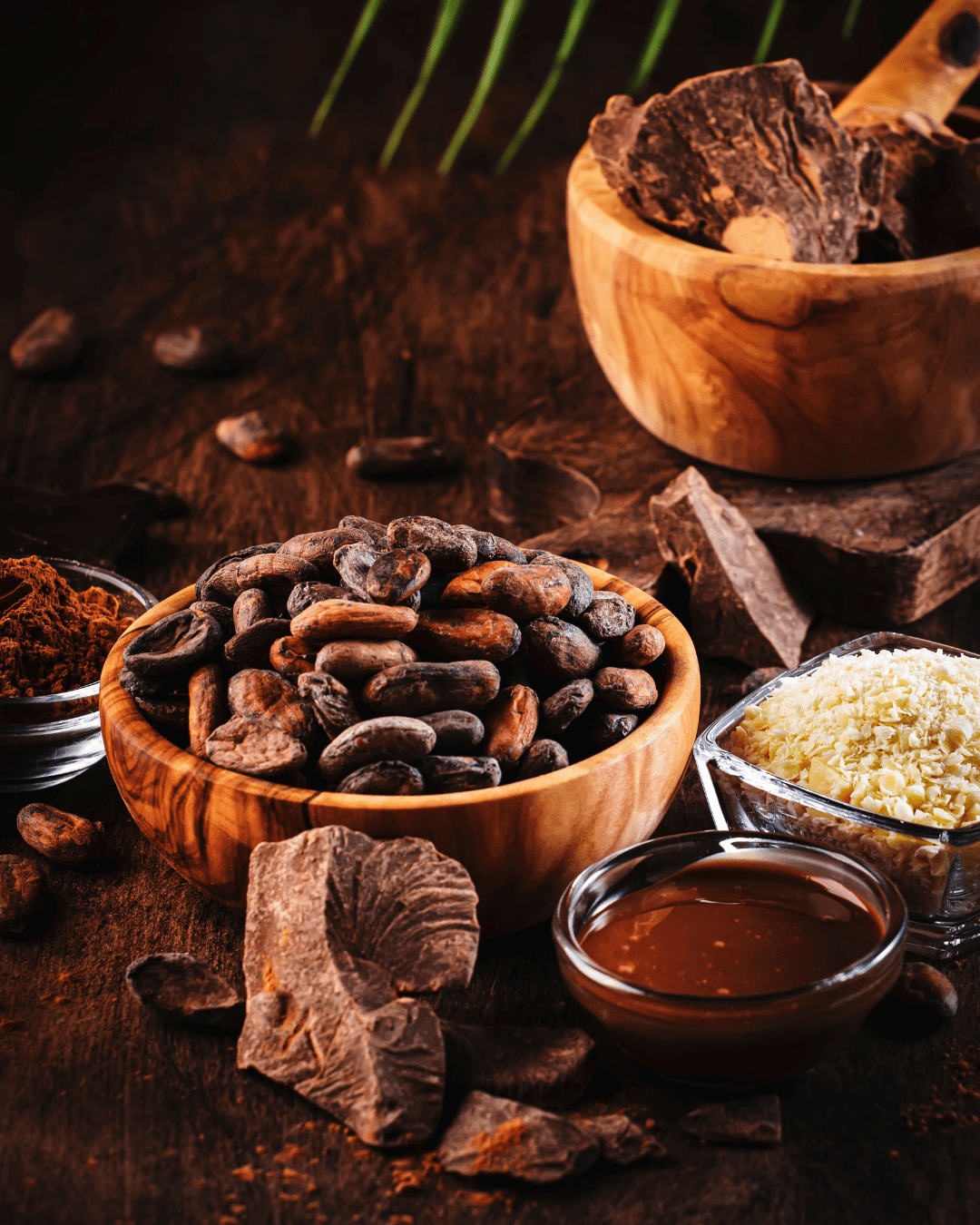
The Olmecs around 2000 BCE and continuing through the Maya and Aztecs, developed sophisticated uses for cocoa beyond its nutritional value. They processed roasted cocoa beans into a dense, smooth paste. They often mixed it with water or other natural plant-based ingredients to create a topical application for the skin.
Chocolate Skincare
The Mesoamericans also understood the effects of cocoa on aging. Through guidance from elders and continual observation, they recognized that consistent use of the paste. It reduced roughness, minimized visible wear, and helped maintain the skin’s suppleness. This empirical knowledge was transmitted orally and through hands-on teaching rather than written records. This ensured that preparation techniques, appropriate dosages, and proper application methods remained consistent.
-

- The Mixtec marriage of Lord Eight Deer and Lady Thirteen Serpent, who exchange a cup of chocolate.(Codex Nutall)

16th Century Europe
When cocoa arrived in 16th-century Europe, it was first brought by the Spanish from the Americas. They first had observed its ceremonial and medicinal use. However, the Spanish prepared cocoa as a beverage, often mixing it with sugar, cinnamon, and other spices to suit European tastes. Later on, Spanish apothecaries and physicians quickly recognized cocoa’s potential for topical applications. They began incorporating it into medicinal balms and ointments to soothe minor wounds. This included chapped skin, and other irritations, taking advantage of its natural fatty content and antioxidants to protect and restore the skin.
Spanish healers preserved knowledge about cocoa-based treatments through guilds, apothecary manuals, and handwritten recipe books. Physicians and apothecaries tested these balms on patients, noting results and refining their formulations over time. Apprentices learned these methods directly from experienced practitioners. This ensured that the preparation, dosage, and application techniques remained effective. This careful transmission of knowledge allowed cocoa’s skin-soothing benefits to move beyond its original medicinal beverage use into broader dermatological applications.
Chocolate Skincare
Cocoa balms gained particular popularity for their ability to support skin elasticity and protect against environmental damage. Regular use was noted to maintain resilient, supple skin, mitigating dryness, irritation, and the visible effects of aging. Spanish elites, especially women, incorporated cocoa balms into their daily routines. They valued both the therapeutic benefits and the luxurious connotations of imported cocoa.

Spanish, ceramic tiles, The laborious process of making chocolate.
18th Century Apothecaries
In the 18th century, European apothecaries played a central role in the preparation and distribution of medicinal and cosmetic remedies. Cocoa, which had been introduced to Spain in the 16th century, had by this time spread across much of Europe. It was well established in both medicinal and cosmetic practices. Cities like Paris, London, and Vienna sourced cocoa from imported shipments and began experimenting with a variety of formulations beyond its consumption as a beverage. They incorporated cocoa into ointments, creams, and balms designed to soothe irritated skin. They promote healing of minor wounds and maintain skin suppleness.
Apothecaries relied on the careful observation and guidance of master practitioners. Knowledge was passed down through apprenticeships, manuals, and recipe books, which recorded detailed instructions on how to prepare cocoa-based treatments. These remedies often combined cocoa with other natural ingredients such as honey, rosewater, and various plant extracts. Each combination was tested for efficacy, allowing apothecaries to refine their products based on the results observed in clients. This careful attention to formulation reflected the period’s growing emphasis on empirical observation within medicinal practice.
Chocolate Skincare
During this time, European elites increasingly sought apothecary-made cosmetic balms for skincare maintenance. Cocoa balms were valued for their hydrating and protective qualities, which helped mitigate dryness, irritation, and the early visible signs of aging. Apothecaries advised clients on consistent application, highlighting that the repeated use of these balms could improve skin texture and elasticity. Women, in particular, integrated these treatments into daily routines, guided by the instructions and oversight of apothecaries, blending practical care with a sense of refinement and status.
The 18th-century apothecaries’ meticulous methods ensured that knowledge of cocoa’s skin benefits continued to grow. By documenting ingredients, processes, and outcomes, they preserved and enhanced the practical applications of cocoa, creating a bridge between the New World origins of the ingredient and its modern use in skincare. These historical practices laid the groundwork for contemporary formulations that still draw on cocoa’s natural hydrating, soothing, and protective properties.

An Apothecary shop frequented by polite clientele (detail from The Apothecary circa 1752 by Pietro Longhi (1701–1785).
Victorian England
By the Victorian era, cocoa and its derivatives had become staples not only in medicine but also in the burgeoning beauty industry. Cocoa butter, the fat extracted from cocoa beans, was highly prized for its emollient and protective properties. While cocoa itself had a long history as a healing and soothing ingredient, cocoa butter offered a more concentrated form that could be incorporated into creams, salves, and soaps. Victorian manufacturers marketed these products as multifunctional: they softened hands, protected lips from harsh weather, and nourished dry, delicate skin.
Cocoa butter creams and salves were often sold in ornate tins or jars, appealing to the growing middle-class market that valued both practicality and elegance. Women were instructed to use these products daily, particularly during colder months, to maintain supple, healthy skin. Apothecaries and small-scale manufacturers frequently recommended mixing cocoa butter with essential oils, rosewater, or other botanicals, highlighting the ability to tailor remedies to individual skin needs. The detailed instructions emphasized consistency, echoing the empirical knowledge passed down from earlier centuries of medicinal practice.
Chocolate Skincare
This period also marked the rise of DIY beauty culture among Victorian women. Instructional manuals and household guides taught readers how to make their own cocoa butter creams, lip balms, and skin salts from scratch. These recipes often mimicked commercial products, using natural fats, cocoa solids, and aromatic ingredients to achieve both therapeutic and sensory effects. Making one’s own balm allowed for customization of scent, texture, and potency, and underscored the connection between personal care and self-sufficiency.
For modern beauty enthusiasts, these Victorian techniques provide a fascinating historical framework for understanding cocoa butter’s enduring popularity. I found this YouTube video from The Long Haired Flapper that shows how to make your own Victorian hand and lip balm from scratch. Enjoy!
Modern Day
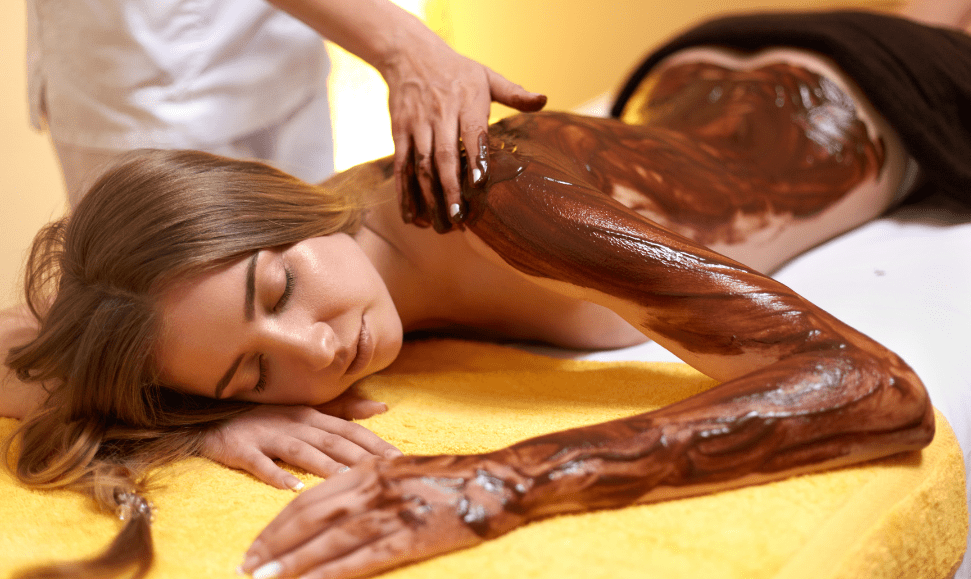
Today, chocolate has evolved from a medicinal and cosmetic staple into a luxurious component of modern skincare. High-end spas and beauty clinics around the world feature chocolate-based facials, body wraps, and masks, emphasizing the natural properties of cocoa and cocoa butter to nourish, protect, and rejuvenate the skin. These treatments often focus on hydration, detoxification, and anti-aging benefits, drawing on the rich antioxidants and flavonoids present in cocoa to support skin health.
Chocolate Skincare
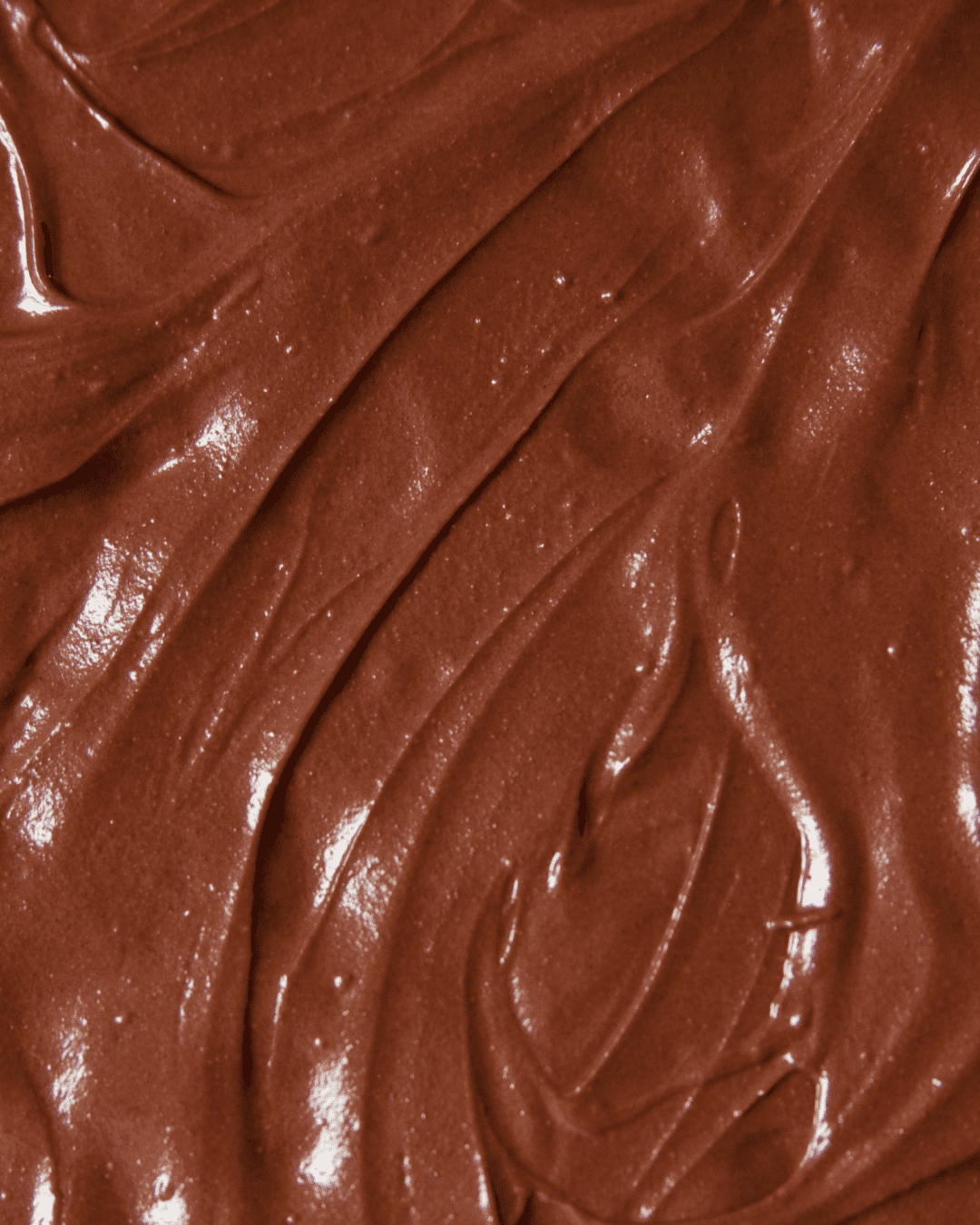
Chocolate facials typically incorporate cocoa powder, cocoa butter, and sometimes chocolate extracts mixed with hydrating ingredients such as honey, yogurt, or plant oils. Applied directly to the face, these masks help to moisturize dry skin, smooth fine lines, and improve elasticity, while also providing a sensory indulgence through aroma and texture. Body wraps use melted cocoa butter or chocolate-infused creams, often combined with essential oils, to hydrate large areas, detoxify, and soften skin. Clients report feeling their skin nourished, supple, and glowing after such treatments, making chocolate both a functional and sensory skincare ingredient.
Spas often market chocolate treatments as an anti-aging and wellness ritual, highlighting cocoa’s natural antioxidants and ability to stimulate circulation. Some facilities even pair chocolate-based treatments with gentle massages, exfoliation, or thermal therapy to enhance absorption and results. These modern adaptations continue the long-standing legacy of chocolate as a skin-enhancing ingredient, bridging centuries of historical use—from Mesoamerican cacao pastes to Victorian cocoa butter creams—into contemporary self-care rituals that combine efficacy, indulgence, and visible results.
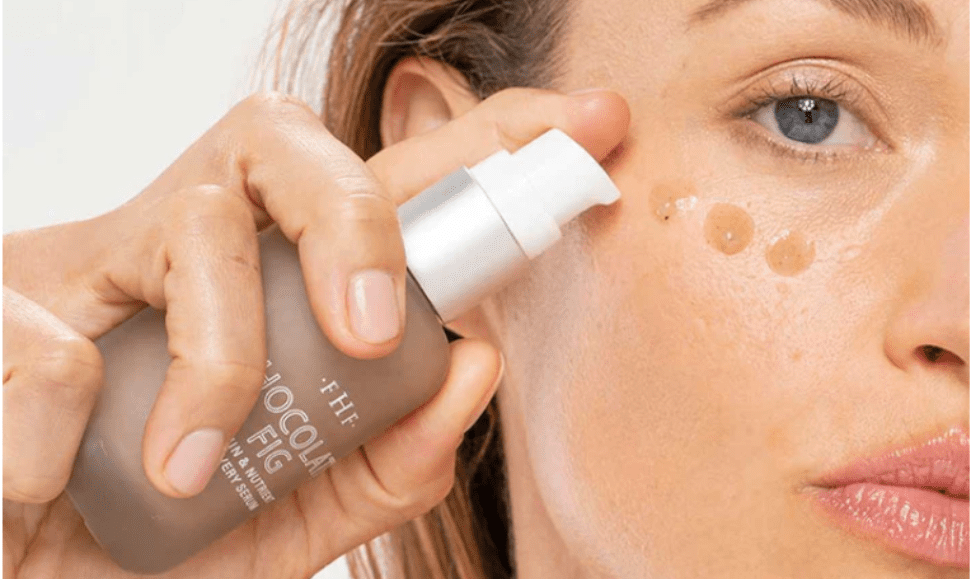
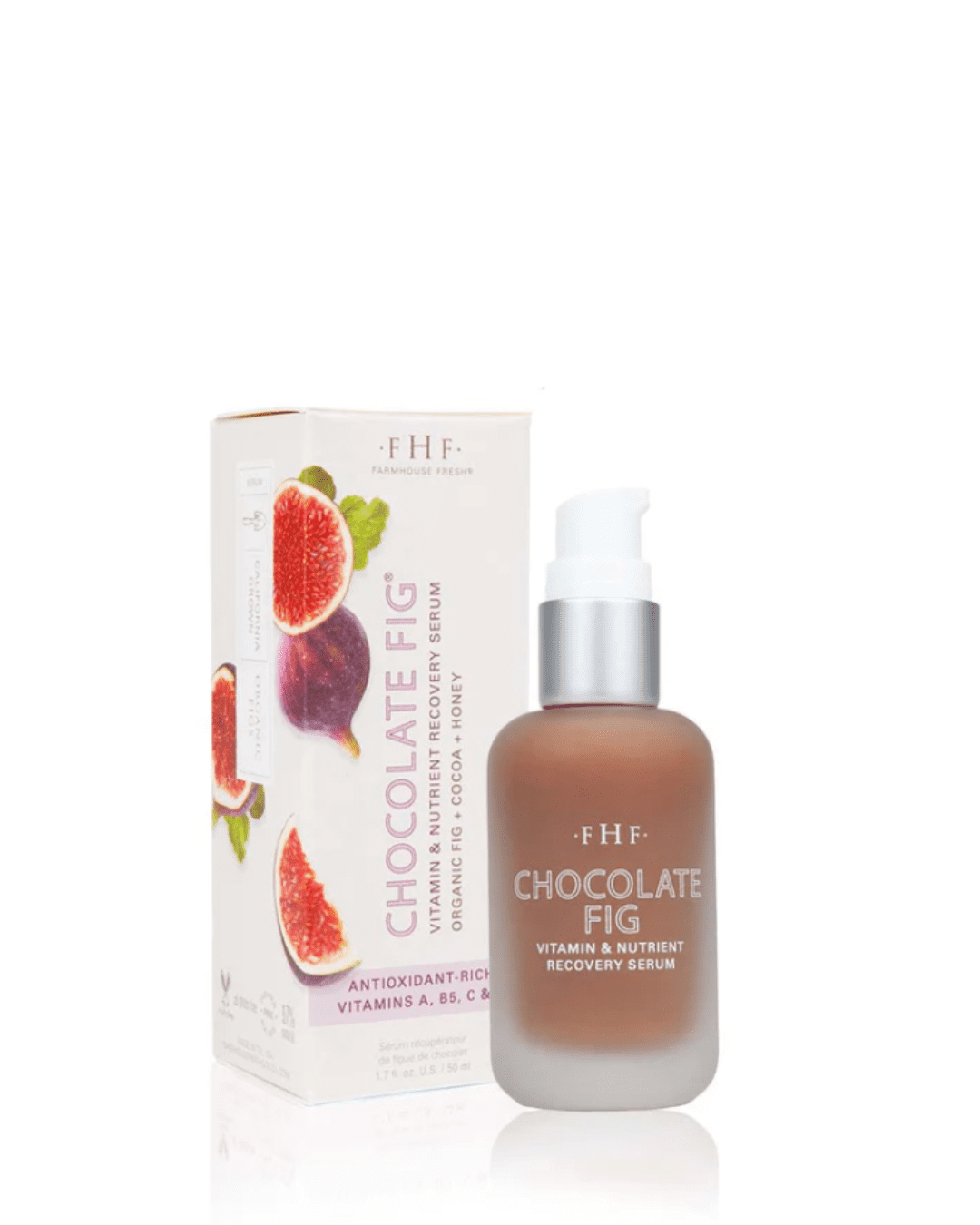
FarmHouse Fresh’s Chocolate Fig Vitamin Recovery Serum
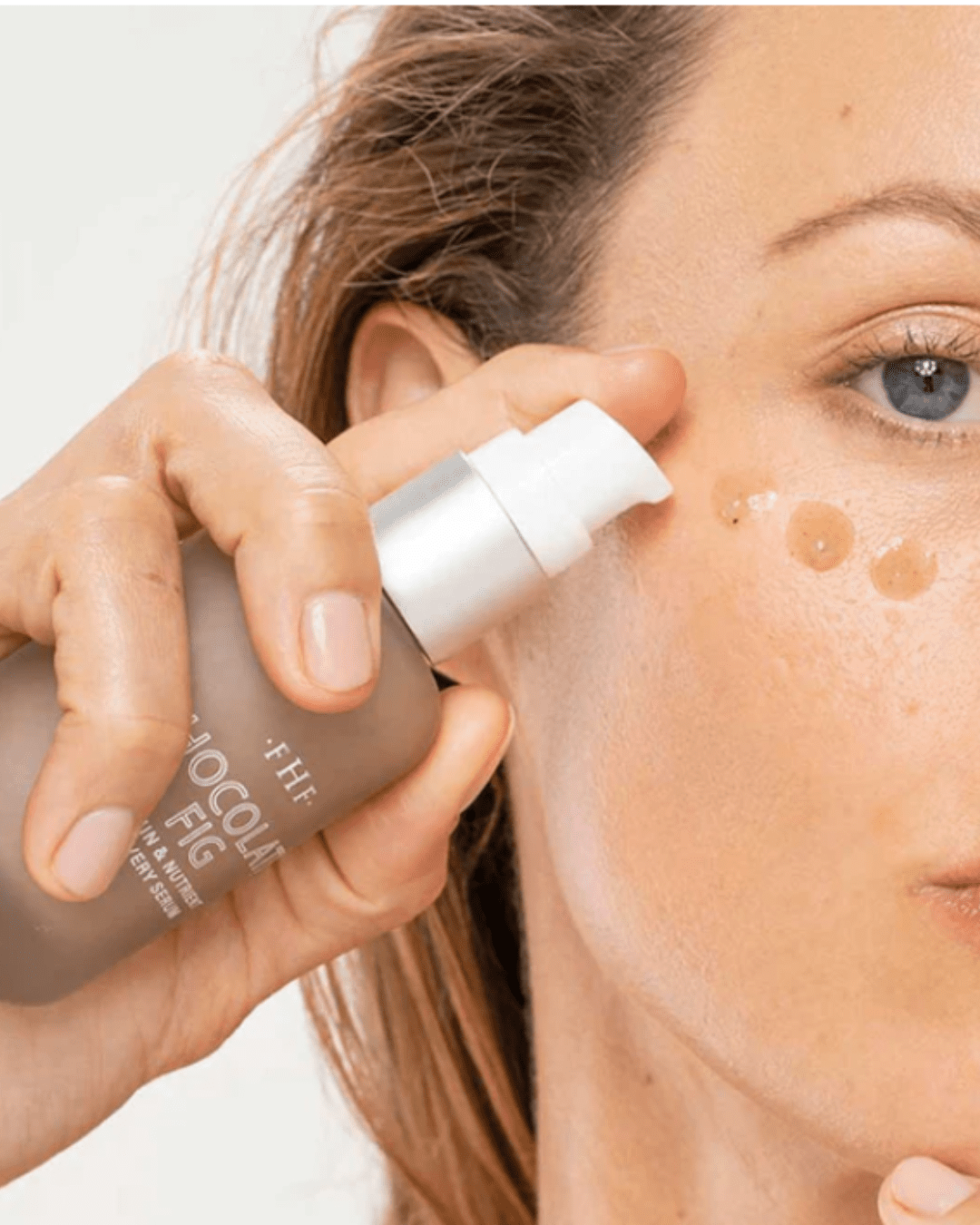
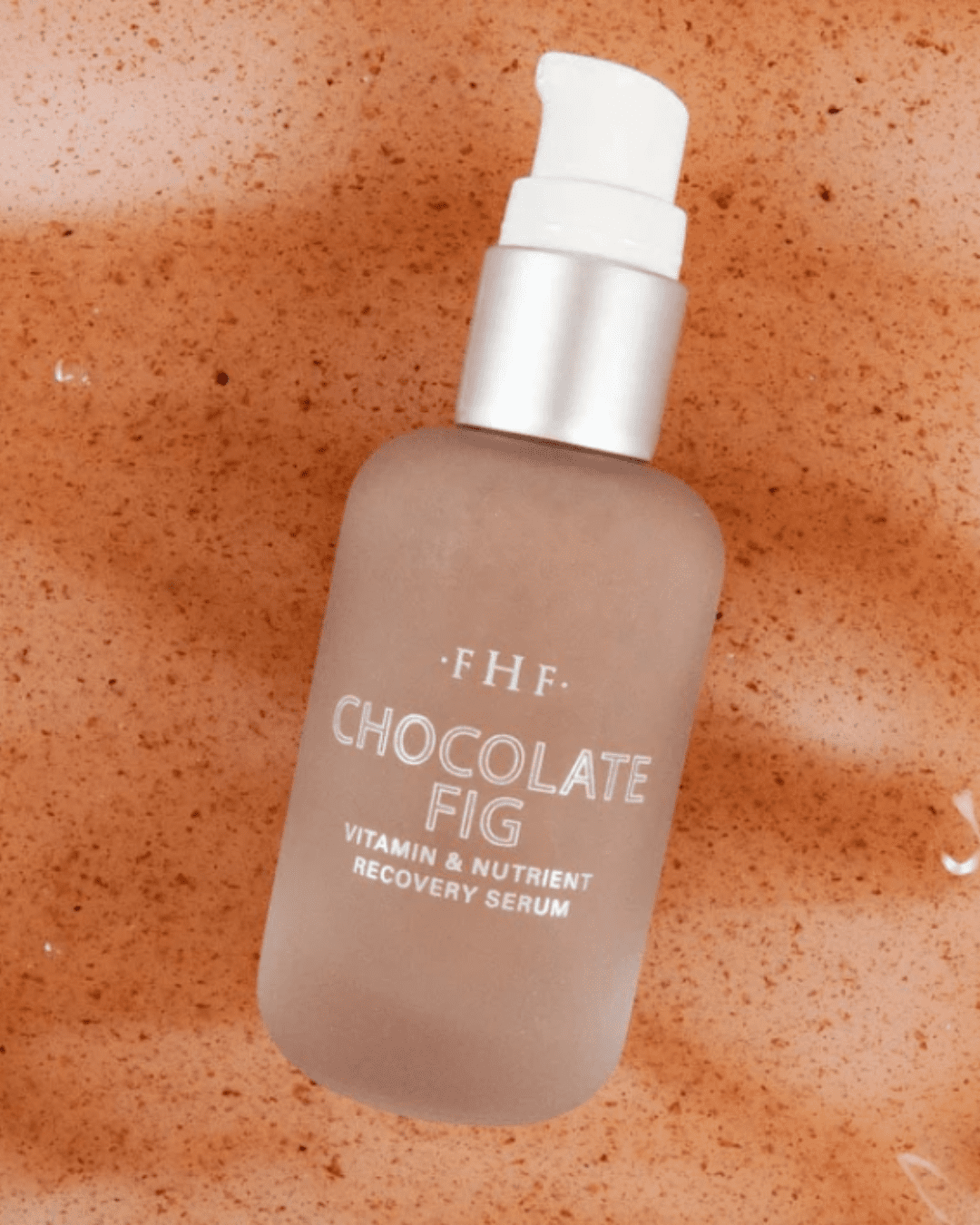
Building on the timeless allure of chocolate in skincare, many modern formulations now blend cocoa’s nourishing benefits with potent plant-based ingredients to elevate results. One standout example is Farmhouse Fresh’s Chocolate Fig + Vitamin Recovery Serum, which harnesses the antioxidant and hydrating properties of cocoa alongside the reparative power of figs and vitamins.
This serum represents a seamless bridge between indulgent, sensorial treatments—like chocolate facials and wraps—and targeted, everyday skincare, allowing the skin to soak in rich, restorative ingredients while supporting overall vitality and radiance. By combining chocolate with carefully selected natural extracts, Farmhouse Fresh continues the legacy of using cacao not just for indulgence, but for real, visible skin benefits.
-
- images belong to farmhouse fresh
The serum works wonders to:
- Help protect skin from free radical damage
- Restore a youthful, radiant appearance
- Calm and comfort stressed, dull skin
If you’ve been dreaming of a potion that delivers both a lush sensory experience and serious results, this serum belongs on your altar of skincare.
Skin type:
All skin types.
How to use:
Apply a thin layer onto face and let it dry before applying moisturizer. Leave on for the rest of your day or night.
What it is:
An ultra-hydrating and instantly renewing serum.
Why you’ll love it: Chocolate Fig Vitamin Recovery Serum is full of live fruit cells and a plethora of additional vitamins C, E, and B5 for a glowy, radiant appearance. If you have normal to dry skin, you will absolutely love this serum! It also smooths flawlessly under your daily moisturizer.
Key Ingredients
Organic Fig
Organic fig offers a wide range of skin benefits thanks to its rich antioxidant profile. Packed with polyphenols, flavonoids, and anthocyanins, it helps neutralize free radicals to reduce oxidative stress and visible signs of aging. Fig leaf extract has been shown to reduce inflammation and support wound healing, calming irritated skin and potentially reducing scarring.
The fig seed mucilage acts as a natural humectant, enhancing moisture retention and strengthening the skin barrier. It may also inhibit tyrosinase activity, reducing melanin production to fade dark spots and even out skin tone. With a vitamin-rich profile that includes vitamins A, B1, B2, C, and E, fig supports collagen production, cell turnover, and elasticity. Its mineral boost—high in magnesium, potassium, and calcium—further aids hydration, oil balance, and skin renewal.
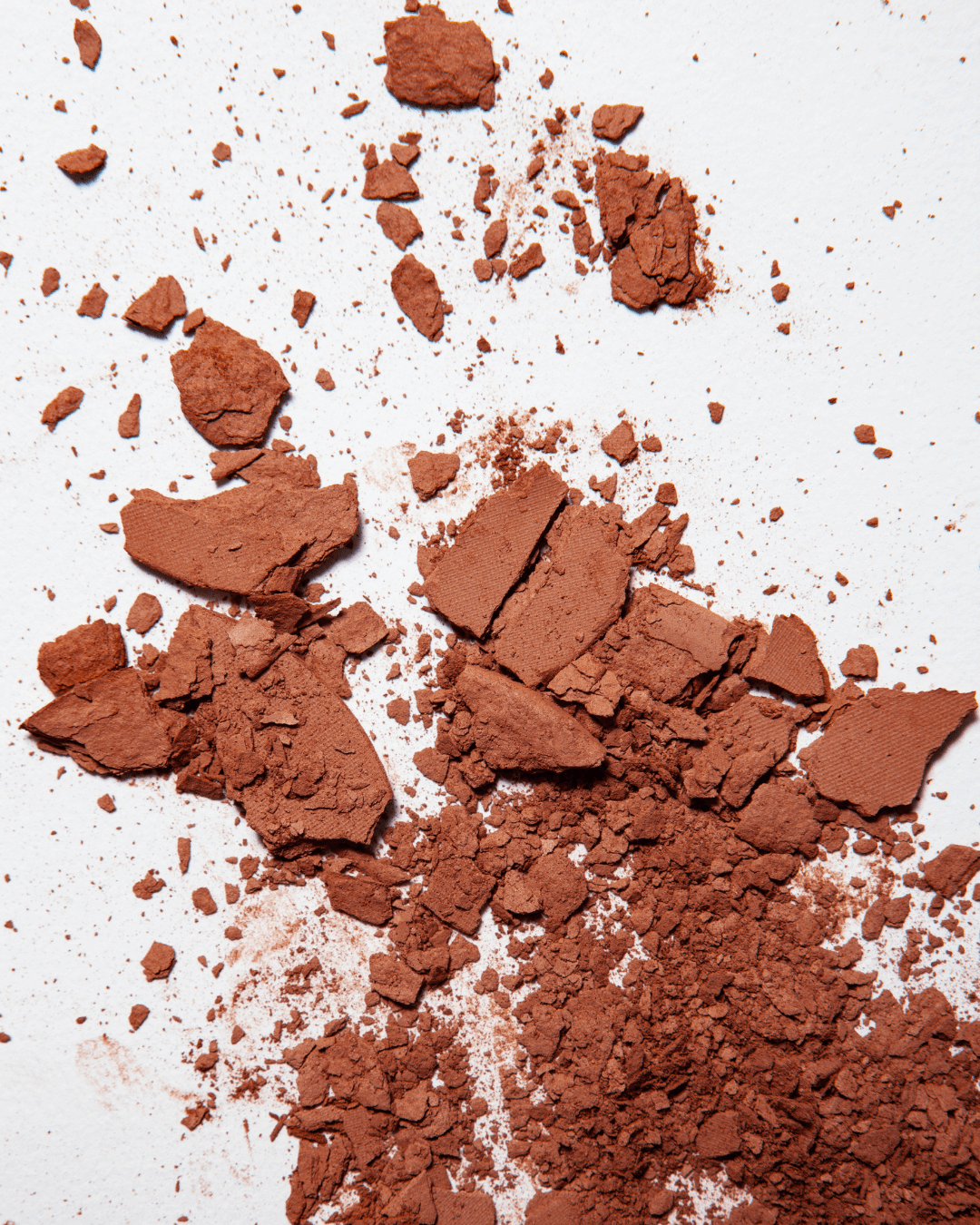
Cocoa Powder
Cocoa powder is an antioxidant powerhouse, rich in flavonoids like catechin and epicatechin that neutralize free radicals and reduce oxidative stress. It improves skin elasticity, reduces wrinkle depth, and enhances collagen production and density, making it a strong anti-aging ally. Cocoa also boosts skin moisture and reduces transepidermal water loss, while increasing hyaluronic acid and aquaporin expression for better hydration and barrier support.
It offers mild photoprotection against UV-induced erythema, reduces inflammation, and supports antioxidant enzyme activity. Its anti-inflammatory effects include downregulating pro-inflammatory cytokines like IL-2, helping soothe irritated or inflamed skin. Additionally, cocoa provides a mineral and vitamin boost with magnesium, potassium, and iron, which support circulation, oxygenation, and skin renewal.
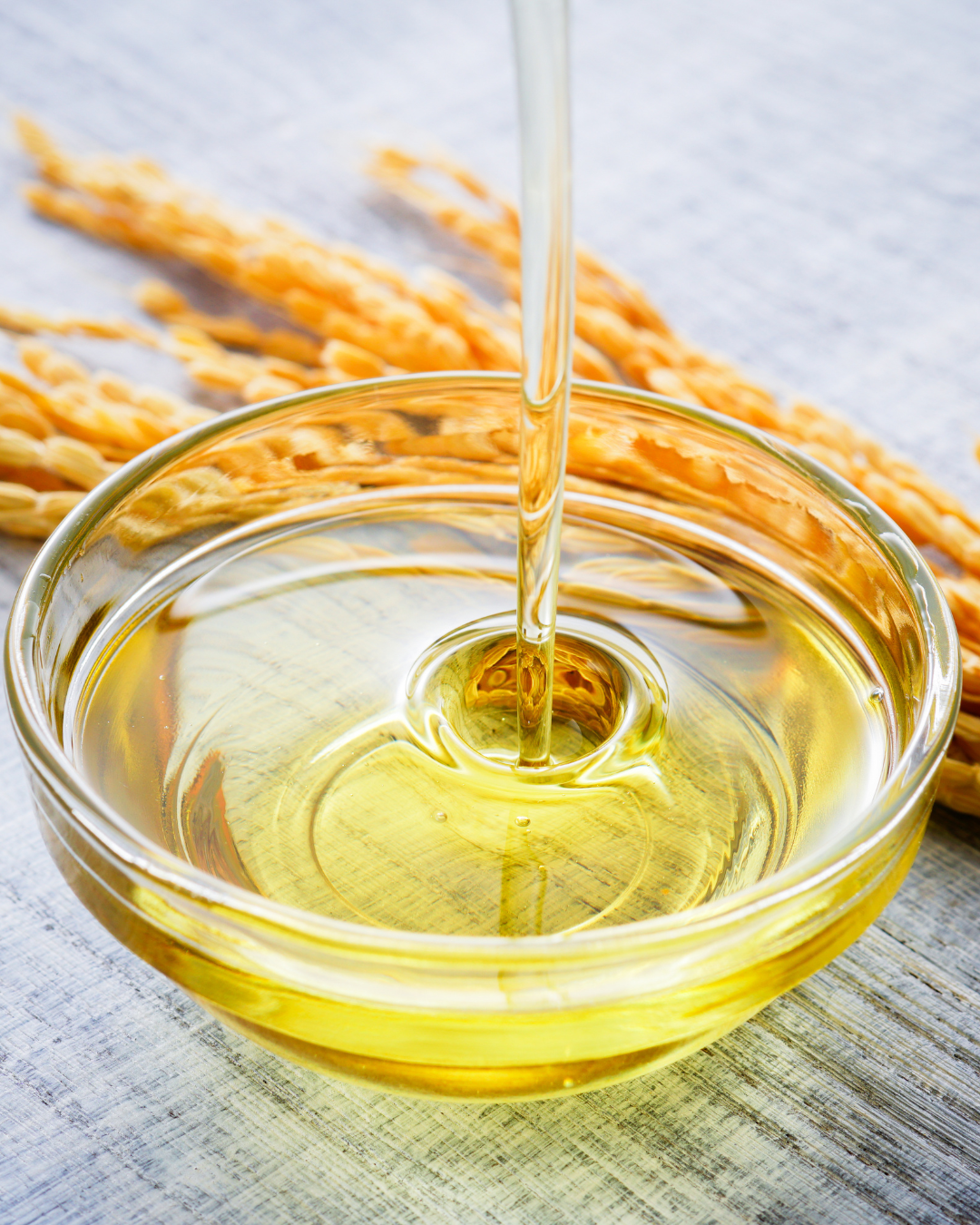
Rice Bran Oil
Rice bran oil delivers deep moisturization, thanks to its richness in omega-6 (linoleic acid) and omega-9 (oleic acid) fatty acids that penetrate deeply to hydrate without clogging pores. It contains gamma-oryzanol, ferulic acid, and tocotrienols—a potent form of vitamin E—that neutralize free radicals and reduce fine lines and wrinkles, offering strong anti-aging and antioxidant protection. This oil also inhibits melanin production, helping fade dark spots and improve uneven skin tone and dullness.
With squalene and phytosterols, rice bran oil strengthens the skin’s lipid barrier, enhances elasticity, and prevents transepidermal water loss. Its soothing properties calm redness, irritation, and inflammation, making it beneficial for acne-prone, sensitive, or eczema-prone skin. Lightweight and non-comedogenic with a rating of 2, it is suitable for all skin types, including oily and acne prone.
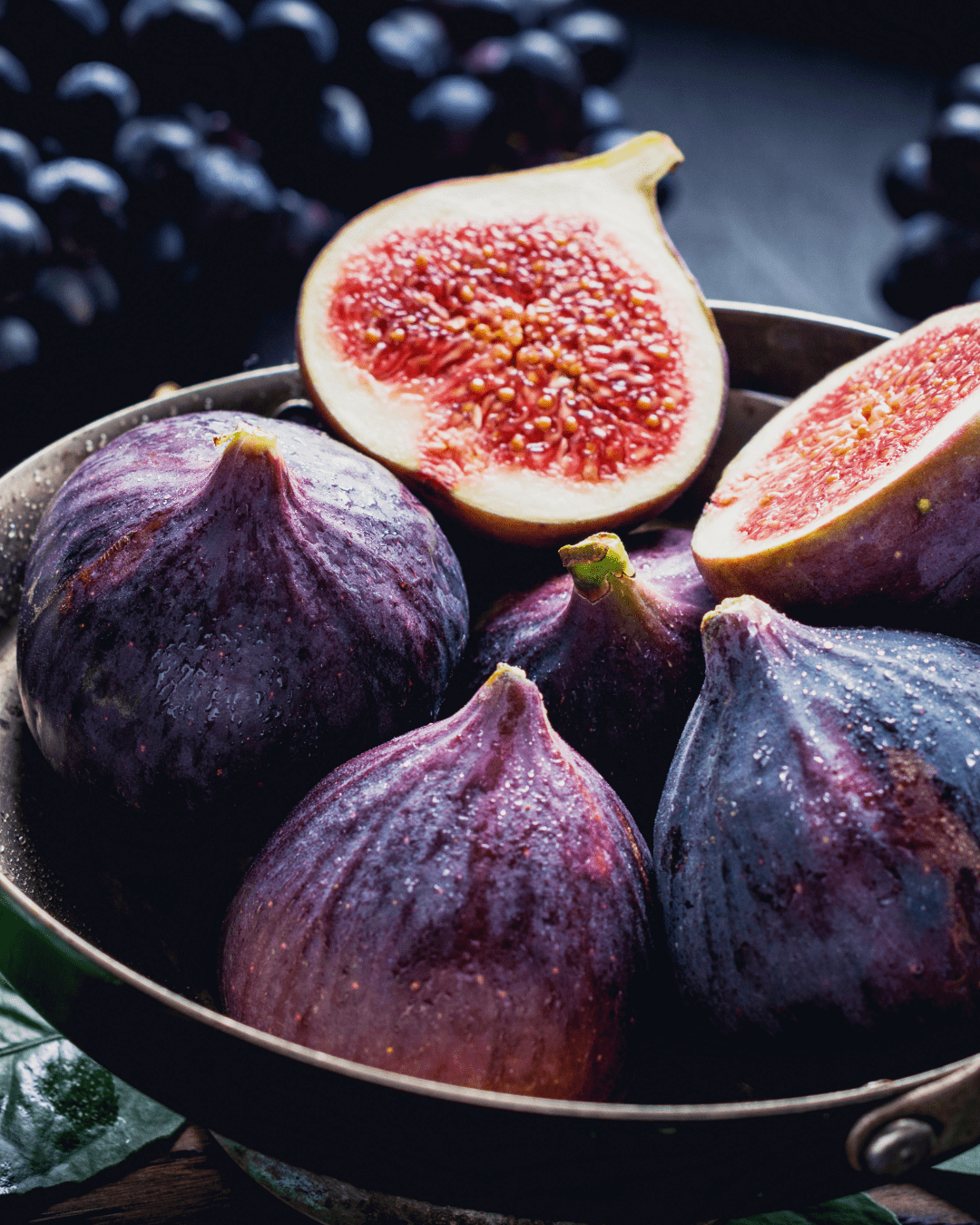
-
- Cocoa Powder
-
- Rice Bran Oil
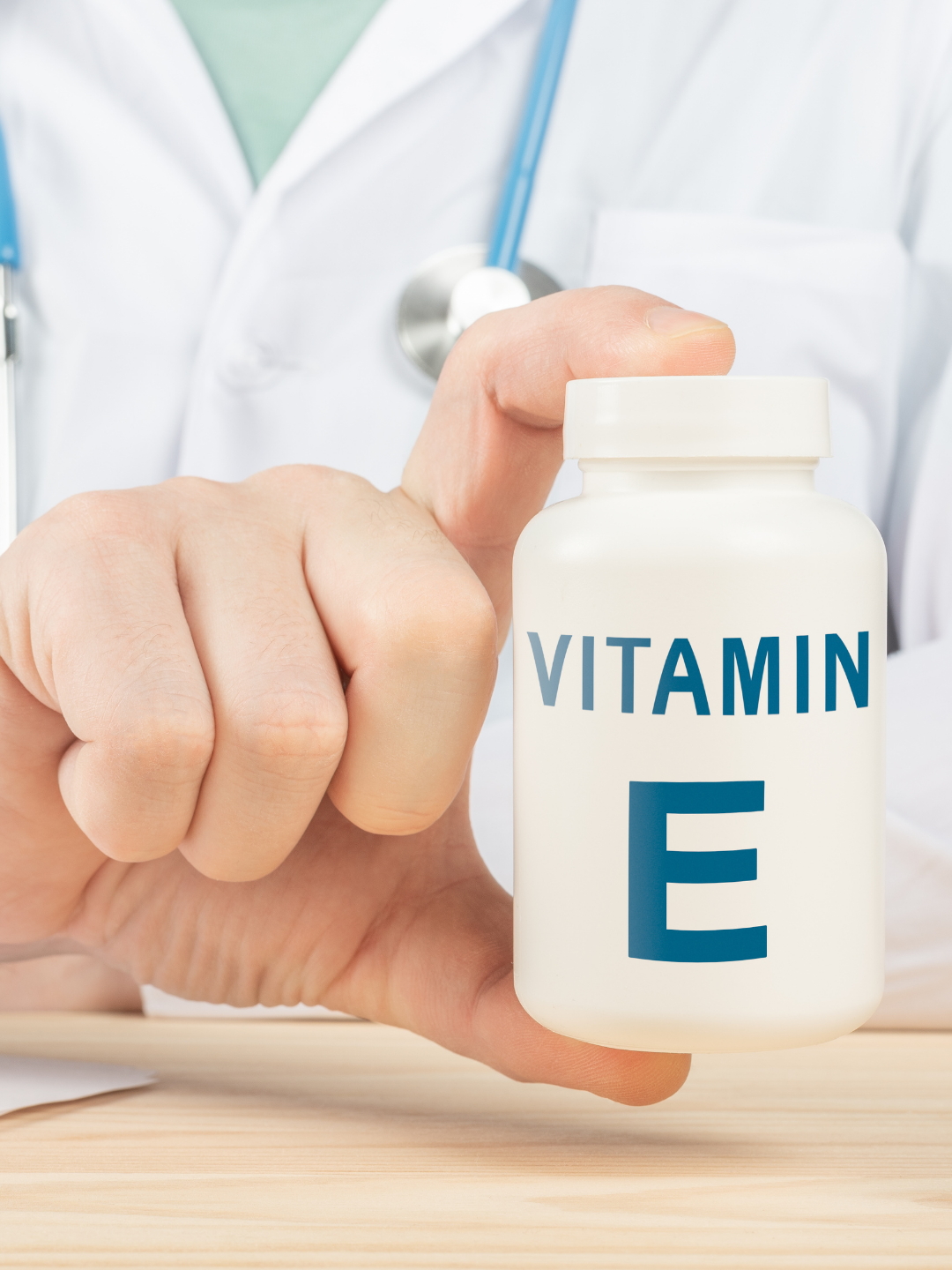
Vitamin E
Vitamin E provides powerful antioxidant protection, neutralizing free radicals and oxidative stress from UV exposure and pollution. This helps prevent premature aging and cellular damage. It also offers photoprotection by absorbing UVB radiation and reducing UV-induced skin damage, while enhancing efficacy when combined with vitamin C and sunscreen agents. Its anti-inflammatory effects reduce redness, swelling, and irritation, making it beneficial for conditions like atopic dermatitis and acne.
Vitamin E may accelerate wound healing and reduce scarring in some cases—though evidence is mixed, results are promising when combined with other actives. It enhances hydration and strengthens the lipid barrier, being naturally found in sebum and accumulating in the stratum corneum. As an anti-aging ally, Vitamin E supports collagen production and skin elasticity, reducing fine lines when used in concentrations of 0.5–1%.
Vitamin C
Vitamin C stimulates skin cell growth by reactivating genes linked to keratinocyte proliferation, promoting a thicker, healthier epidermis. It helps reverse age-related thinning by encouraging DNA demethylation, unlocking “youth genes” that restore strength and resilience in aging skin. Vitamin C boosts collagen production, enhancing synthesis of collagen types I and III to improve firmness and reduce fine lines.
It brightens and evens skin tone by inhibiting tyrosinase, reducing melanin production, and fading hyperpigmentation and dark spots. As a photoprotective agent, Vitamin C neutralizes UV-induced oxidative stress and enhances sunscreen efficacy when layered underneath. It also supports wound healing by accelerating tissue repair and reducing inflammation, with potential to reduce scarring when used alongside other actives.
Vitamin B5
Vitamin B5 delivers deep hydration and moisture retention, acting as both a humectant and emollient to draw moisture into the skin and seal it in. This helps plump skin and reduce dryness. It strengthens the skin barrier by enhancing lipid synthesis, reinforcing protection, and reducing transepidermal water loss (TEWL). Vitamin B5 accelerates wound healing by promoting fibroblast proliferation and skin regeneration, speeding recovery from cuts, burns, and post-acne marks. It soothes inflammation and redness by reducing pro-inflammatory cytokines like IL-1 and IL-6, calming irritated, sensitive, or eczema-prone skin.
Additionally, it improves skin elasticity and texture, enhancing flexibility and smoothness while reducing roughness and flakiness. By aiding in the synthesis of coenzyme A, Vitamin B5 supports collagen and skin structure, helping maintain firmness and reduce fine lines. Finally, it provides antioxidant protection, neutralizing free radicals and oxidative stress to guard against environmental damage and UV exposure.
-
- Vitamin E
-
- Vitamin C
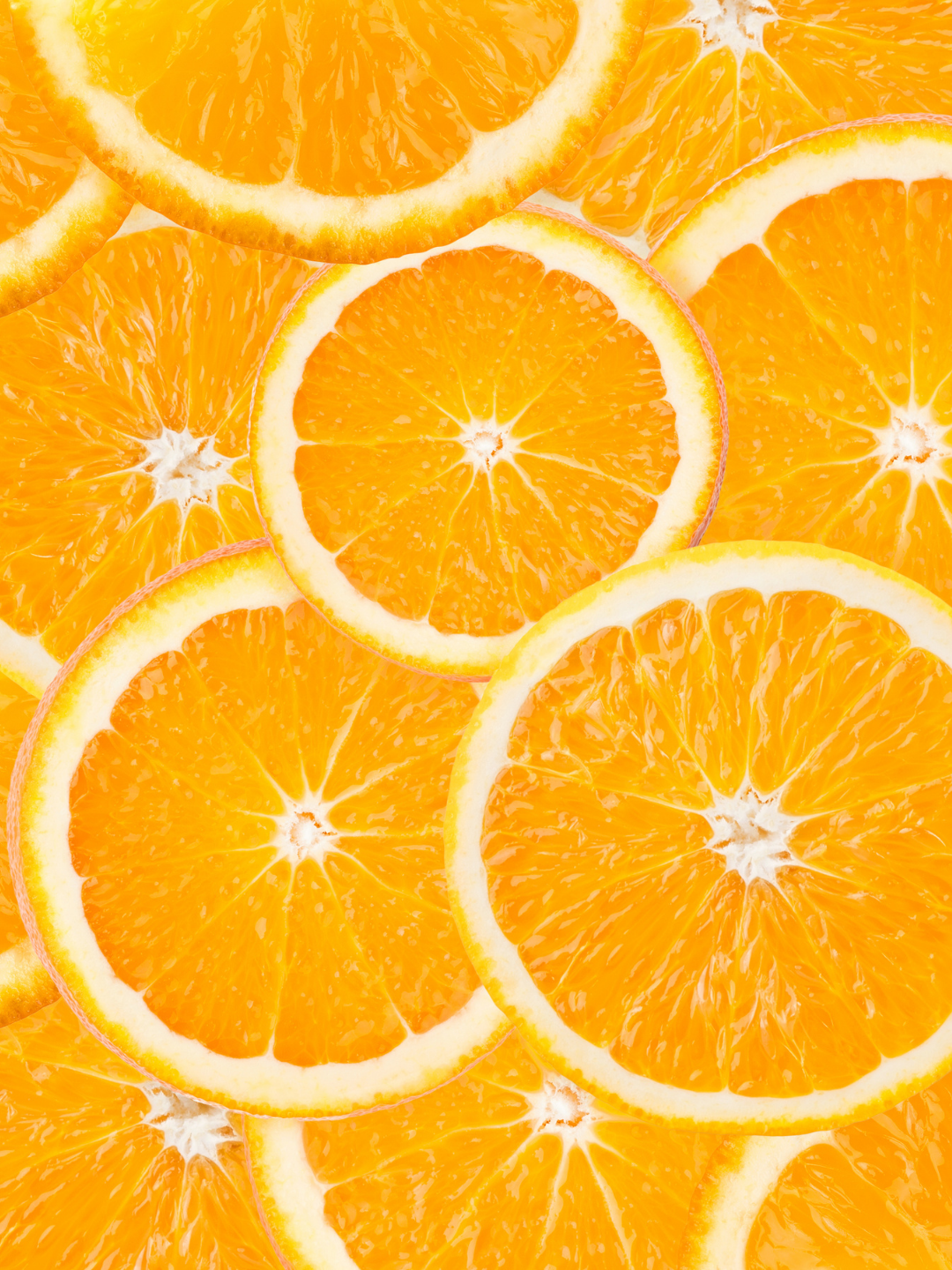
-
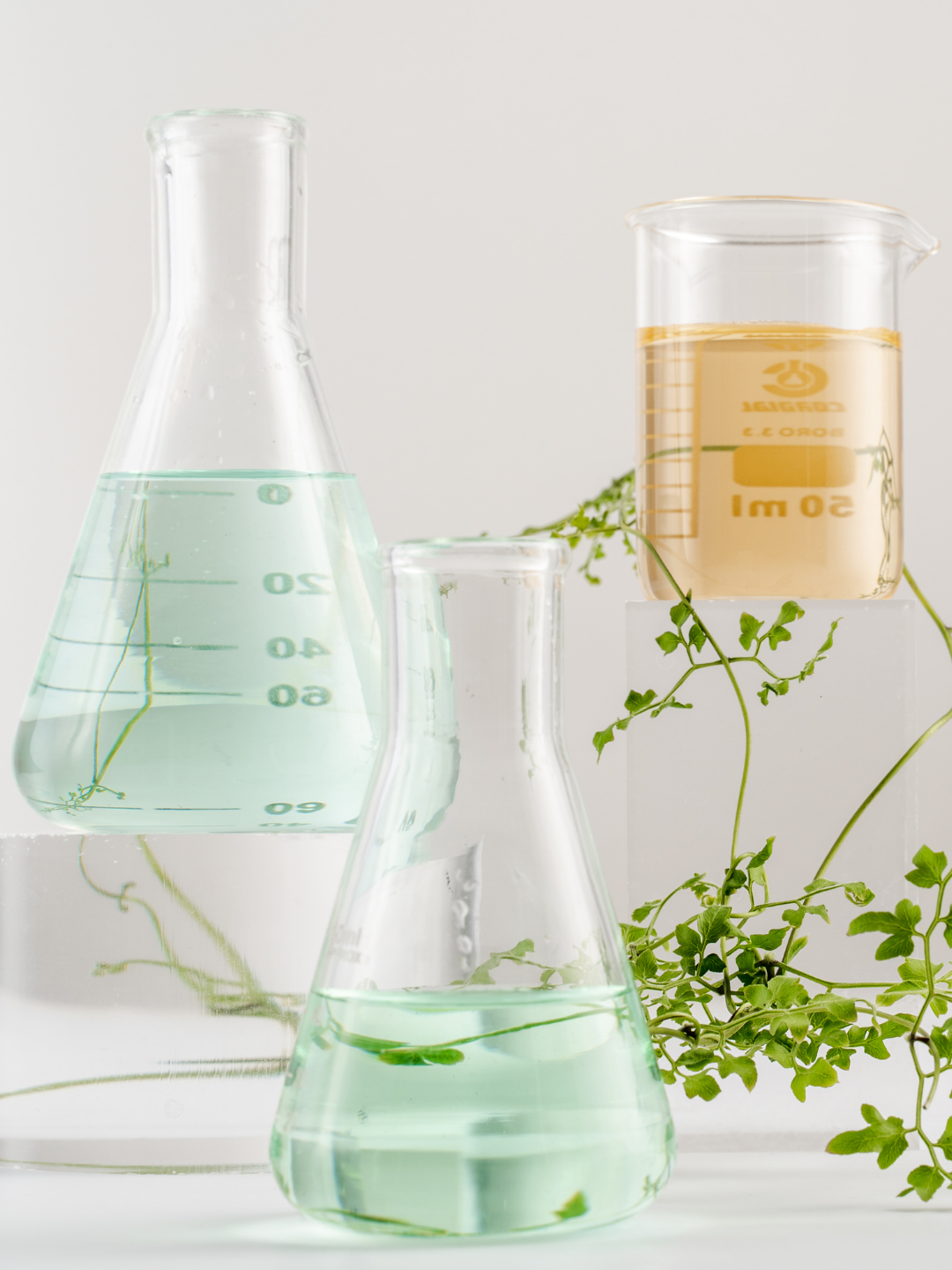
- Lab Made Vitamin B5
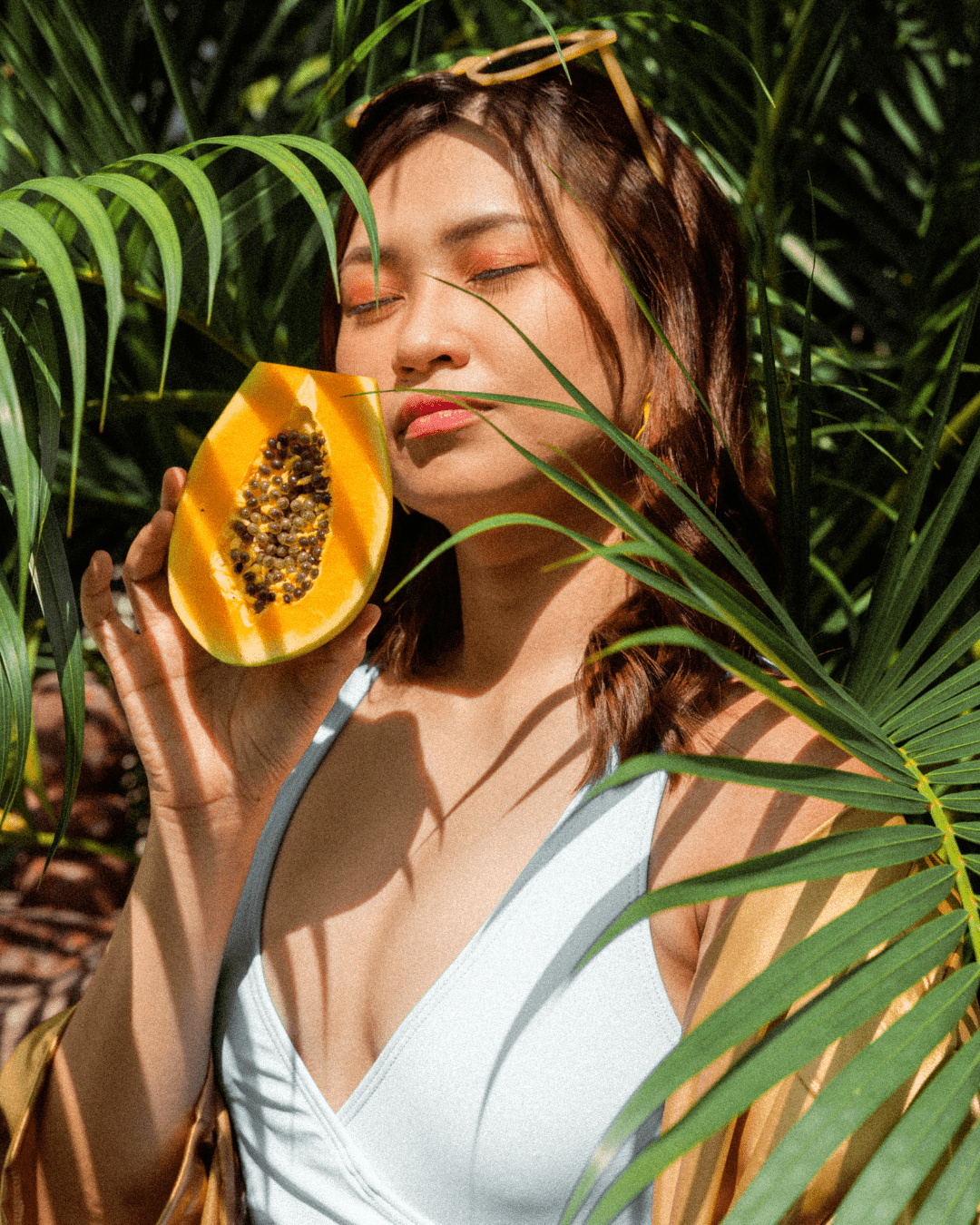
Live Papaya Cells
Live papaya cells provide gentle enzymatic exfoliation through papain and chymopapain, proteolytic enzymes that dissolve dead skin cells and promote smoother texture without harsh physical scrubs. They brighten and reduce pigmentation by inhibiting melanin production, fading dark spots, evening out skin tone, and improving radiance. Papaya also boosts collagen production by stimulating fibroblast activity and collagen synthesis, helping firm skin and reduce fine lines. Its anti-inflammatory and acne-calming properties reduce redness and swelling from irritation, while papain’s antibacterial effects help prevent breakouts.
Traditionally used for burns, cuts, and blemishes, papaya accelerates tissue regeneration and reduces scarring, supporting wound healing and skin repair. Rich in polysaccharides and vitamins A, C, and E, it helps retain moisture and restore suppleness. Additionally, papaya is a natural source of antioxidants such as beta-carotene, lycopene, and flavonoids, which protect against oxidative stress and environmental damage.
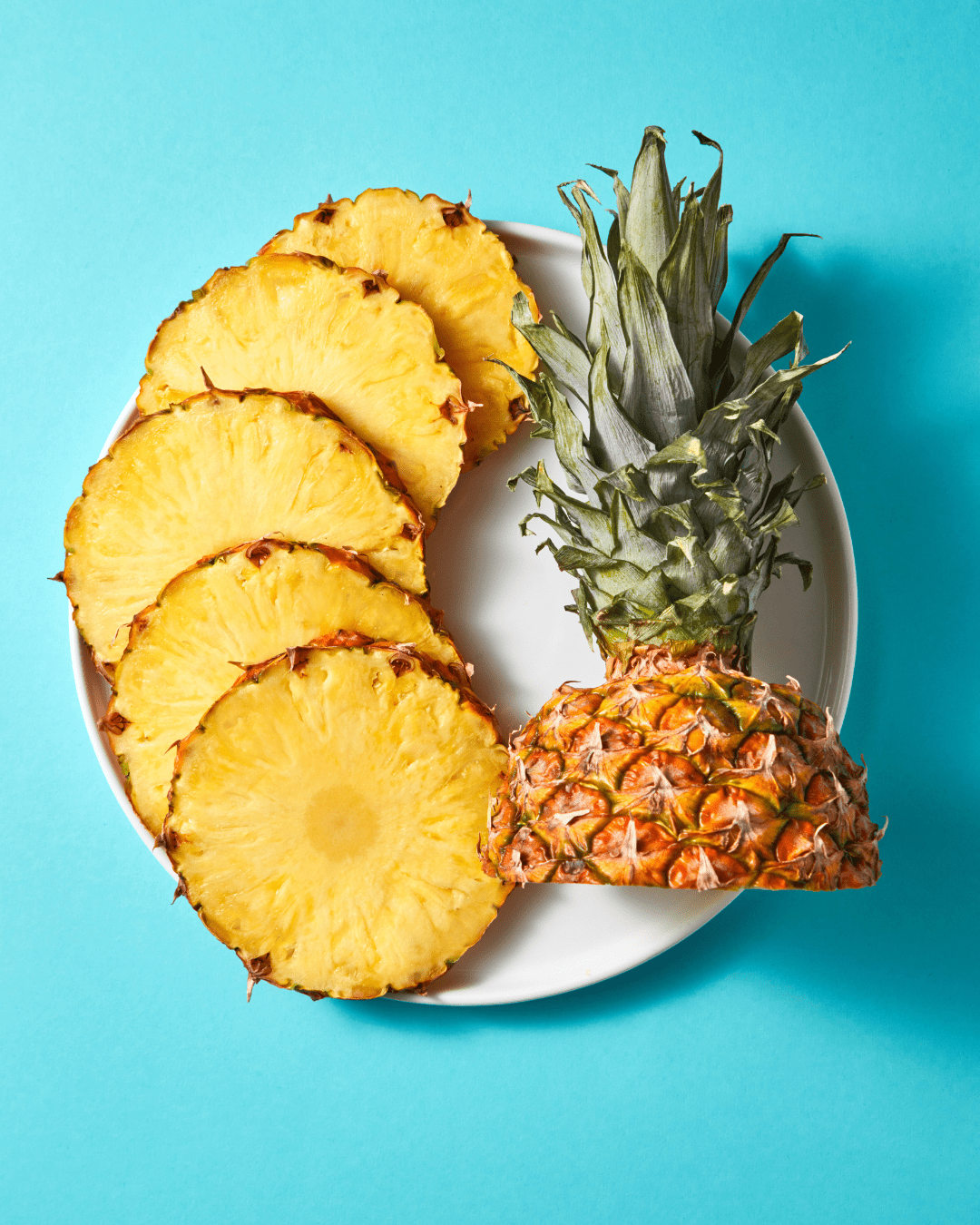
Live Pineapple Cells
Live pineapple cells exfoliate gently thanks to bromelain, a proteolytic enzyme that dissolves dead skin cells, promoting smoother texture and a brighter complexion. Bromelain has also been shown to protect skin cells from UV-induced damage and support cell survival. Pineapple brightens and controls pigmentation by inhibiting melanin production, reducing hyperpigmentation, fading sunspots, and evening out skin tone. It calms acne and inflammation by reducing redness and swelling, while exhibiting antibacterial activity against acne-causing bacteria.
With its high vitamin C content, pineapple supports collagen synthesis, reducing fine lines and improving elasticity. It accelerates tissue regeneration and reduces scarring, traditionally used for burns and abrasions. Pineapple also provides UV protection and antioxidant defense, neutralizing free radicals, reducing oxidative stress, and offering mild protection against UV-induced cell damage.
Organic Raspberries
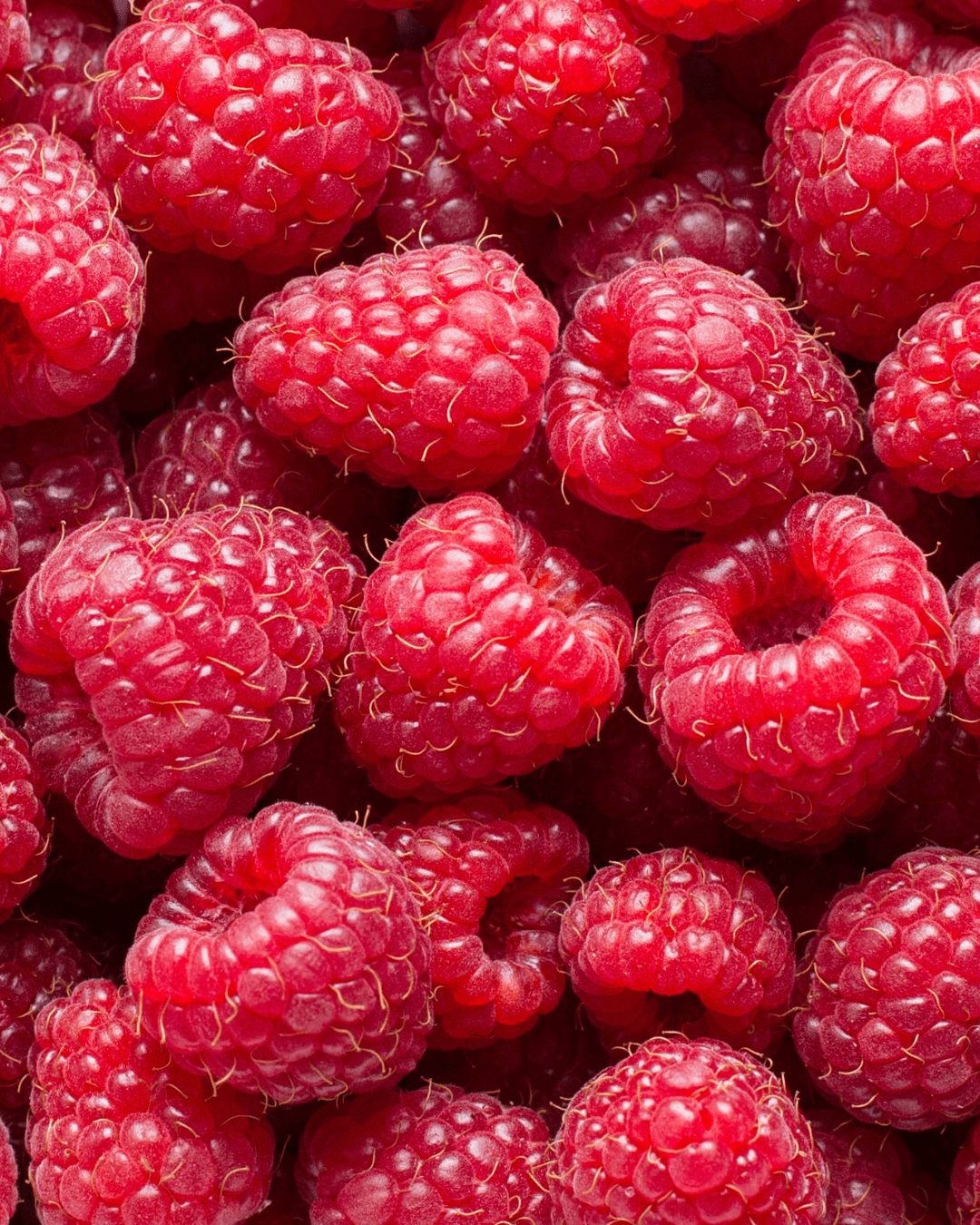
Organic raspberries deliver strong antioxidant protection, being rich in ellagic acid, anthocyanins, and vitamin C that neutralize free radicals and reduce oxidative stress. They preserve collagen by inhibiting its breakdown and supporting new synthesis, helping reduce fine lines, wrinkles, and loss of elasticity. Raspberries brighten and even skin tone by inhibiting tyrosinase, reducing melanin production, fading hyperpigmentation, and promoting radiance. Raspberry seed oil, rich in omega-3 and omega-6 fatty acids, enhances moisture retention and strengthens the lipid barrier, supporting hydration.
Their anti-inflammatory and acne-calming properties reduce redness, swelling, and irritation, making them beneficial for acne-prone and sensitive skin. Raspberries provide mild UV protection against UVB and UVC rays, adding antioxidant defense though not replacing sunscreen. Their natural astringent properties help tighten skin, refine pores, and improve texture and smoothness. Finally, raspberries deliver a vitamin and mineral boost, being high in vitamins A, C, and E, plus magnesium and manganese, which support skin regeneration, tone, and resilience.
-
- Papaya
-
- Pineapple
-
- Raspberries
Aloe Vera
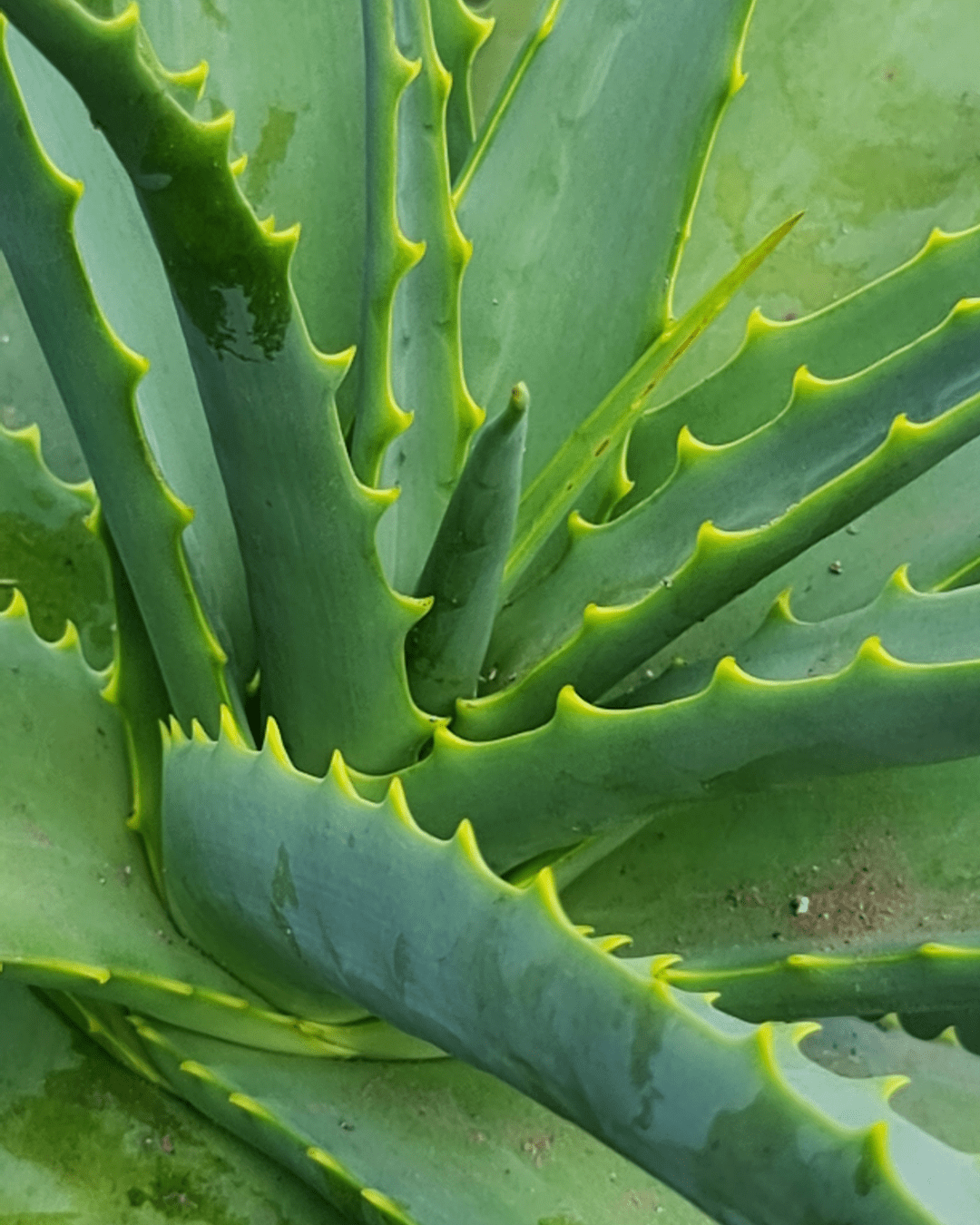
Aloe vera is renowned for its deep hydration and moisture retention, thanks to polysaccharides like acemannan that bind water to the skin and help maintain softness and elasticity. It promotes fibroblast activity and collagen synthesis, accelerating the healing of burns, cuts, and abrasions while supporting overall skin regeneration. With bradykinase and chromones, aloe vera reduces redness and swelling, calming irritated, sensitive, or eczema-prone skin. Its antioxidant protection comes from vitamins A, C, and E, along with flavonoids and carotenoids, which neutralize free radicals and support repair.
Aloe vera also improves collagen density and elasticity, reducing the appearance of fine lines and wrinkles. By inhibiting tyrosinase activity, it helps fade dark spots and even out skin tone. Its anthraquinones and saponins provide antibacterial and antifungal properties, preventing acne and infections. Additionally, aloe vera offers mild UV protection, reducing UV-induced erythema and enhancing antioxidant enzyme activity after sun exposure.
Organic Date Honey
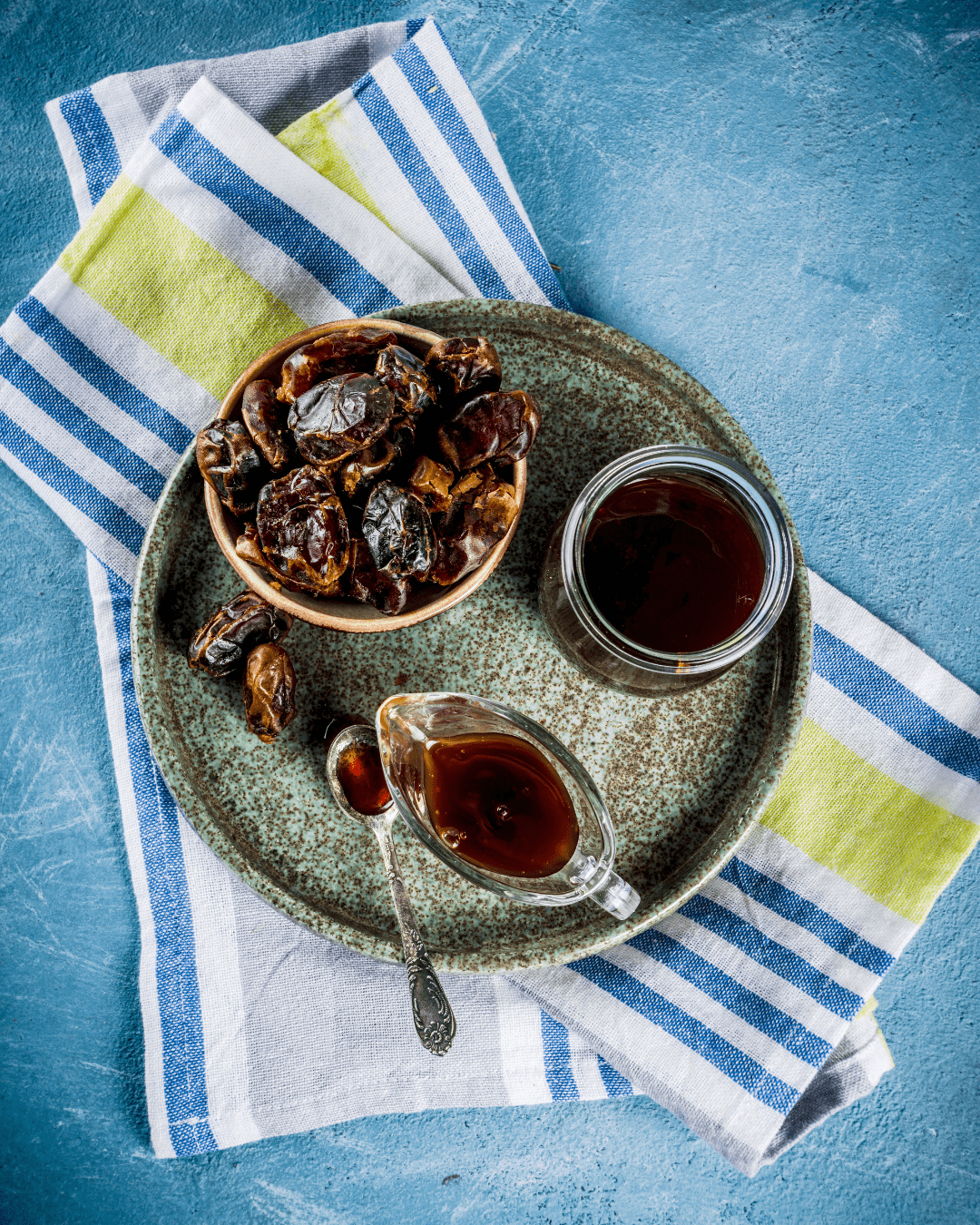
Organic date honey is an antioxidant powerhouse, rich in phenolic acids, flavonoids, and carotenoids that neutralize free radicals and protect against oxidative stress. It contains vitamins B-complex, C, and E, which support collagen production and skin elasticity, helping reduce fine lines and maintain youthful texture. Acting as a humectant, date honey draws moisture into the skin, leaving it soft, supple, and hydrated. It promotes tissue regeneration and accelerates healing of cuts, burns, and blemishes, while its anti-inflammatory properties reduce redness, swelling, and irritation—making it ideal for sensitive, acne-prone, or inflamed skin.
With hydrogen peroxide and methylglyoxal (in some varieties), it provides antibacterial and antifungal benefits that help prevent acne and infections. Organic acids like gluconic acid deliver gentle exfoliation, removing dead skin cells to improve texture and radiance. Finally, date honey helps regulate pH and maintain microbiome balance, supporting a healthy skin barrier.
-
- Aloe vera
-
- Organic Date Honey
U.S. FARM HARVESTS:
Organic Figs from California.
Organic Raspberries from Oregon.
Buy Chocolate Skincare and Help Rescue Animals
Farmhouse Fresh has cultivated a reputation for blending farm-grown ingredients with results-driven formulas. Their Fig Vitamin Recovery Serum is cruelty-free and crafted with a commitment to sustainable sourcing.
They also have a “virtual camera” set up where you can see some of the animals being playful and enjoying themselves. This is one where a couple of small goats are playing and a horse is casually eating grass. Click here to watch.
I earn no commissions when you donate, nor have I been paid to advertise for this rescue. I just care about animals, and I think this is a great way to give back. If you would like to be involved or donate directly, you can do so by clicking here.

Farmhouse fresh rescue giving their animals vaccines for a healthy herd. (image belongs to Farmhouse fresh)
Frequently Asked Questions About Chocolate
Q: Is chocolate good for sensitive skin?
A: Yes! Thanks to its calming polyphenols and gentle moisturizing properties, chocolate can soothe and protect sensitive skin. Always patch-test if you have allergies.
Q: How often can I use a chocolate mask?
A: Once or twice a week is perfect, especially if you combine it with a vitamin-rich serum like Farmhouse Fresh’s.
Q: Does Farmhouse Fresh test on animals?
A: No — Farmhouse Fresh is cruelty-free and proudly supports animal rescues.
Shop for Chocolate
If you’d like to add the Farmhouse Fresh Chocolate Fig Vitamin Recovery Serum to your own ritual, you can find it here: Farmhouse Fresh Chocolate Fig Vitamin Recovery Serum
Enchant Your Skin Ritual with Chocolate
From the ancient Mayan cacao ceremonies to your modern skincare shelf, chocolate’s skin benefits remain as powerful as ever. When you layer that heritage with the nurturing fig-infused magic of Farmhouse Fresh’s serum, you create a ritual that feels worthy of a goddess — or at the very least, a high priestess of self-care.
Next time you find yourself reaching for a square of chocolate to soothe your mood, remember that your skin can share in the pleasure too. Whether through a chocolate face mask, a cocoa butter balm, or a chocolate-infused spa treatment, you’re tapping into a lineage of beauty that stretches back thousands of years. When paired with the Farmhouse Fresh Fig Vitamin Recovery Serum, chocolate’s magic reaches new heights.



This sounds so good for the face. I better be careful to not actually eat it though!
Haha! Yes, please don’t eat the serum.
What a cool product! I love chocolate and it is fun that it is also good for your skin. I would really love to try this one!
I agree! Some of the proceeds also go towards helping the farm animals they rescue.
Oh gosh, I get in trouble with chocolate skin serum. I use Palmers and it smells so good that I have to stop myself from licking it, ha. I just love chocolate.
Girl, no! LOL! I’ve had a mask that smelled exactly like chocolate pudding. I know how you feel!
Wow, so cool – I would love to try this product. I never thought that fig had medicinal effects. I can’t wait to see the ingredient streamlined into more products.
I agree! If I find any other chocolate inspired skincare products, I’ll make a blog post for them.
Sounds like some great products for the skin. I would love to try the chocolate fig one. That sounds so interesting.
Let me know if you do!
I love how this post transforms skincare into self-care, portraying the Chocolate Fig Vitamin Recovery Serum as a luxe blend of hydration and glow that’s almost divine. The combination of natural ingredients and a little touch of indulgence makes me want to embrace skincare as a mindful ritual, not just a step in my routine.
Exactly! Self-care can be tailored to your own needs.
I never knew that chocolate could be used for skincare, too. That’s pretty amazing! I think I’d love to have cocoa on my skin! I’m checking this out!
Let me know if you end up buying it! 🙂
I love how you highlighted the skin-loving benefits of cocoa and fig extract! That Fig Serum sounds rich yet gentle – perfect for nourishing without feeling heavy.
Thank you!
Wow…. the Farmhouse Fresh Fig Vitamin Recovery Serum sounds like a game changer for my skin and I will be checking this product out as I love love love a good serum for my face and neck! I also had no idea that chocolate had so mean beauty benefits! Love it and cant await to try this product!
Let me know if you try it! I hear great things about it.