Maybelline Cosmetics Great Lash
This Maybelline Great Lash feature is part of a vintage beauty series highlighting products that are still available today. Looking at each commercial from the earliest to the latest, you can clearly see how beauty standards shifted over time. You can also see how mascara itself changed, including the switch from a brush to the wand we use today. I especially love the last commercial because it shows the introduction of the Internet and how new it was. Literally, my childhood!
This post may contain affiliate links and professional skincare commentary. For full details, please read my disclaimer.
Early History and Everyday Beauty
The Origins of Maybelline
Maybelline occupies a particular place in American beauty history because it grew alongside the rise of mass-market cosmetics rather than luxury beauty. Before makeup was tied to runway fantasy or prestige branding, Maybelline created products for women who needed cosmetics to function in everyday life. Its earliest products acted practically, approached everyday wear thoughtfully, and improved the way the face read in real settings — not for editorial or staged photography.
Early Mascara Innovation
Early lash products avoided creating dramatic effects. Makeup still served as a functional tool, and Maybelline positioned its products to integrate into a daily grooming routine.
Original Brush Mascara (1940s–1950s)
Before Great Lash, Maybelline sold mascaras that required a separate small brush for application. These early mascaras often came in cake or cream forms. Women had to brush on the product manually, which required more effort than the tube-and-wand formulas that came later. Black-and-white print ads and early TV commercials from this era typically showed a woman demonstrating the brush technique, highlighting precision and practicality. This design set the stage for Great Lash by familiarizing consumers with mascara application, even if the wand itself had not yet been integrated into the tube.
Built-In Wand and Everyday Wearability
Introduction of Maybelline Great Lash in 1971
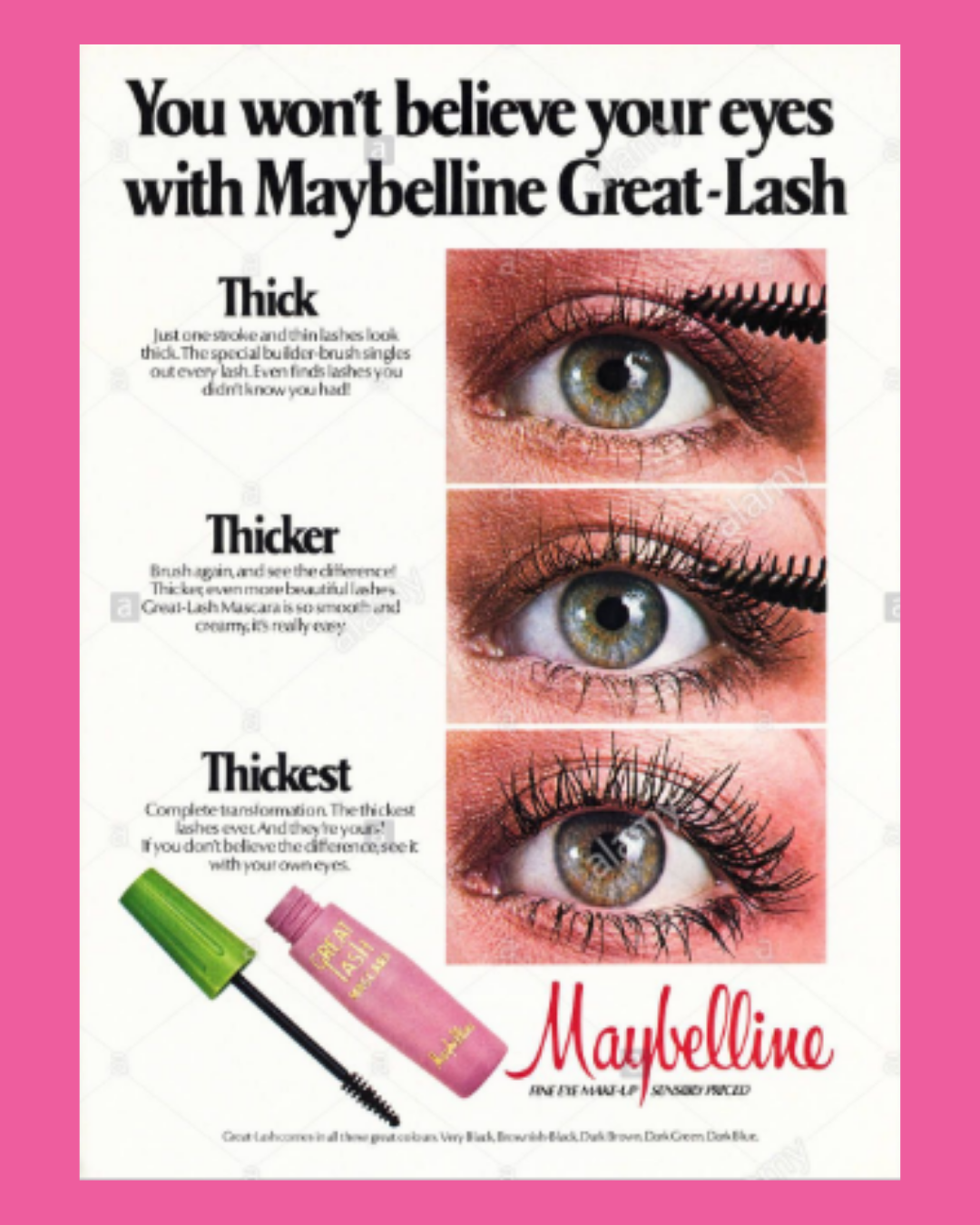
When Maybelline introduced Great Lash in 1971, it arrived in a market that had begun to move away from the dramatic, heavily lined eyes of the 1960s. The early 1970s favored a cleaner, more natural look. Consumers wanted mascara that enhanced the eyes without overwhelming them. Great Lash delivered: it was easy to apply, easy to remove, and affordable enough for mass-market appeal. Its formula glided smoothly, water-based, and it emphasized lash definition rather than thickness or curl.
Maybelline Built-In Wand Innovation
Unlike earlier mascara methods, which often used separate brushes or cake applicators, Great Lash debuted with a built-in wand — the spiral brush attached to the cap that shoppers now recognize instantly.
Maybelline Brush and Formula Details
The original formula was light, water-based, and pigmented enough to make the lashes noticeable without stiffening or clumping them. Consumers could remove it easily with standard cleansers, which made it convenient for everyday use.
1980s: Fuller Lashes and Maybelline Advertising Evolution
1980 Maybelline Commercials: Early TV Campaigns
By 1980, makeup trends were evolving, and eye makeup looks had become bolder. Commercials from this period show lashes that appear darker and more pronounced than in the early ’70s.
Maybelline Formula and Look Adjustments
Maybelline slightly adjusted the formula, adding richer pigment and a creamier texture. This ensured the lashes read clearly under studio lighting and alongside heavier eye makeup while remaining washable and comfortable.
Maybelline Advertising Focus in the 1980s
Advertising featured women wearing the product as part of a complete makeup routine rather than instructing them step by step.
1986: Brooke Shields and Maybelline’s Modern Reframing
Brooke Shields Campaign for Maybelline
The Brooke Shields campaign of 1986 was pivotal for Great Lash. Shields represented a type of beauty that was confident and approachable, rather than delicate or ornamental. Her thick brows and assertive gaze brought a contemporary sensibility to Maybelline campaigns.
Brand Impact with Brooke Shields
When Shields wore Great Lash, the product gained a cultural association beyond everyday functionality. It was still practical, but it became part of a curated look chosen by a woman in control of her appearance. This demonstrates how advertising can influence perception without changing the formula itself.
1991: The Era of 90s Television
1991 Maybelline TV Commercials
Television dominated as the marketing channel, and Maybelline designed its ads to be approachable while remaining visually compelling. Models appeared polished but not overly stylized.
Emphasis on Wand Technology
Commercials highlighted how the brush distributed the product evenly and enhanced natural lashes with minimal effort. The message was clear: Great Lash is practical, reliable, and integrates seamlessly into a daily routine.
1998–1999: The Glossy Pre-Internet Era
Late 90s Commercials
By the late 1990s, Great Lash commercials reflected a new visual language. Lighting appeared brighter, contrast sharper, and finishes glossier. The product remained the same but looked more editorial.
Visual Style and Print Advertising
Television, print, and in-store displays still served as primary channels, and Maybelline designed ads to showcase polished visuals rather than tutorials.
2000–2001: Maybelline Meets the Internet
Early Digital Maybelline Campaigns
Around 2000–2001, Maybelline produced Great Lash commercials with digital formats in mind, using tighter framing, cleaner lighting, and attention to how viewers would see the product both online and on television.
Online Presence Evolution
Maybelline kept the product the same while its advertising embraced the shift toward digital communication, showing how beauty marketing began moving beyond traditional media.
Formula Evolution and Modern Expectations
Modern Formula Updates
Great Lash’s formula has evolved incrementally to meet changing consumer expectations. Adjustments to pigment density, waxes, and polymers improved wearability and reduced flaking while preserving the original washability and smooth texture.
Consistency of Wand Design
They retained the brush size and shape largely unchanged, providing consistent application for decades. These subtle updates allowed the product to remain relevant without altering what made it appealing: reliable, everyday wearability, and an easy-to-use wand.
Why Great Lash Still Matters Today
Everyday Wear and Practicality
Great Lash continues to be a mainstay because it fills a clear role: a straightforward, accessible mascara that enhances natural lashes without complication. It does not mimic false-lash volume or extreme curl. Instead, it provides definition and depth in a formula that works in real-world settings.
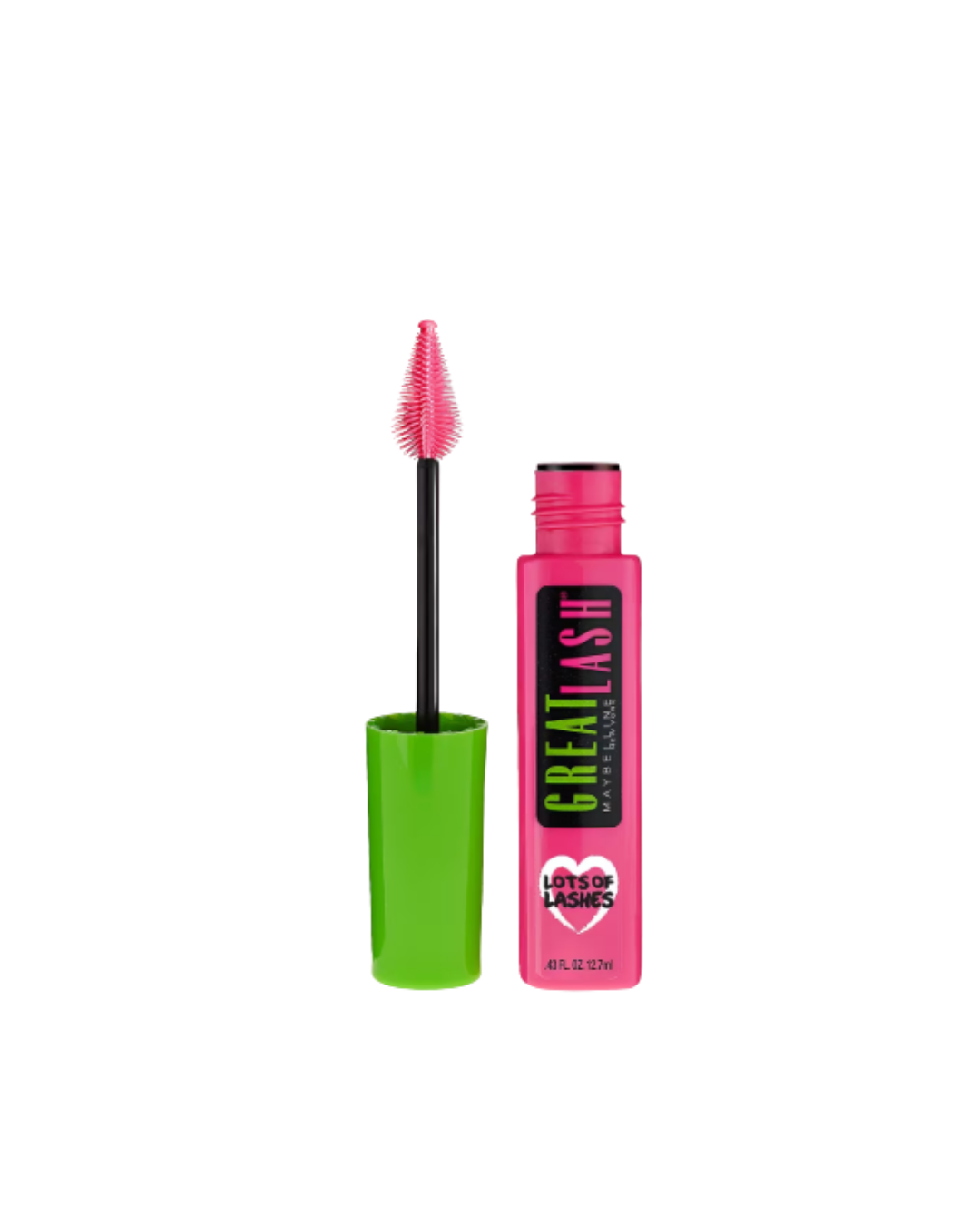
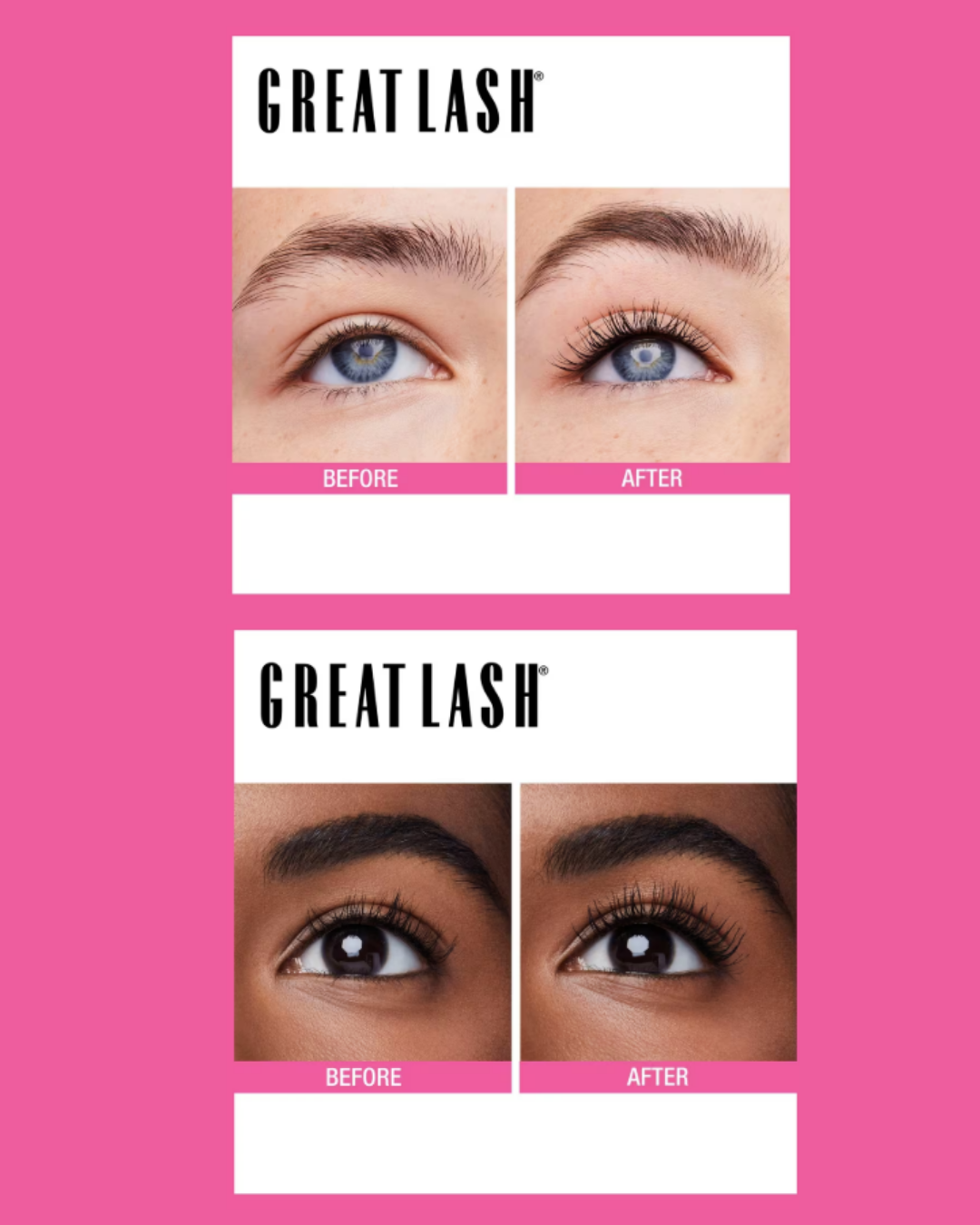
If you would like to try this iconic mascara for yourself, you can find it at www.ulta.com. It’s under $10!
Cultural Relevance and Nostalgia
In a market crowded with specialized products, Great Lash remains dependable. Its enduring appeal comes from its functionality, recognizability, and adaptability across decades of changing beauty trends. The pink and green tube may be nostalgic, but the product itself continues to serve the needs of modern consumers.
The Enduring Legacy of Great Lash
Maybelline Great Lash is more than just a mascara; it demonstrates how beauty standards and advertising evolved across decades. From early print campaigns to TV commercials, Brooke Shields, and finally digital marketing, they adapted while keeping Great Lash true to its original goal: enhancing the natural beauty of everyday women.
If you want to explore more vintage beauty products that you can still find today, you can check out my “Dippity Do” blog post.